Walking along the pine forest and beach in Gangneung, enjoying coffee for half a
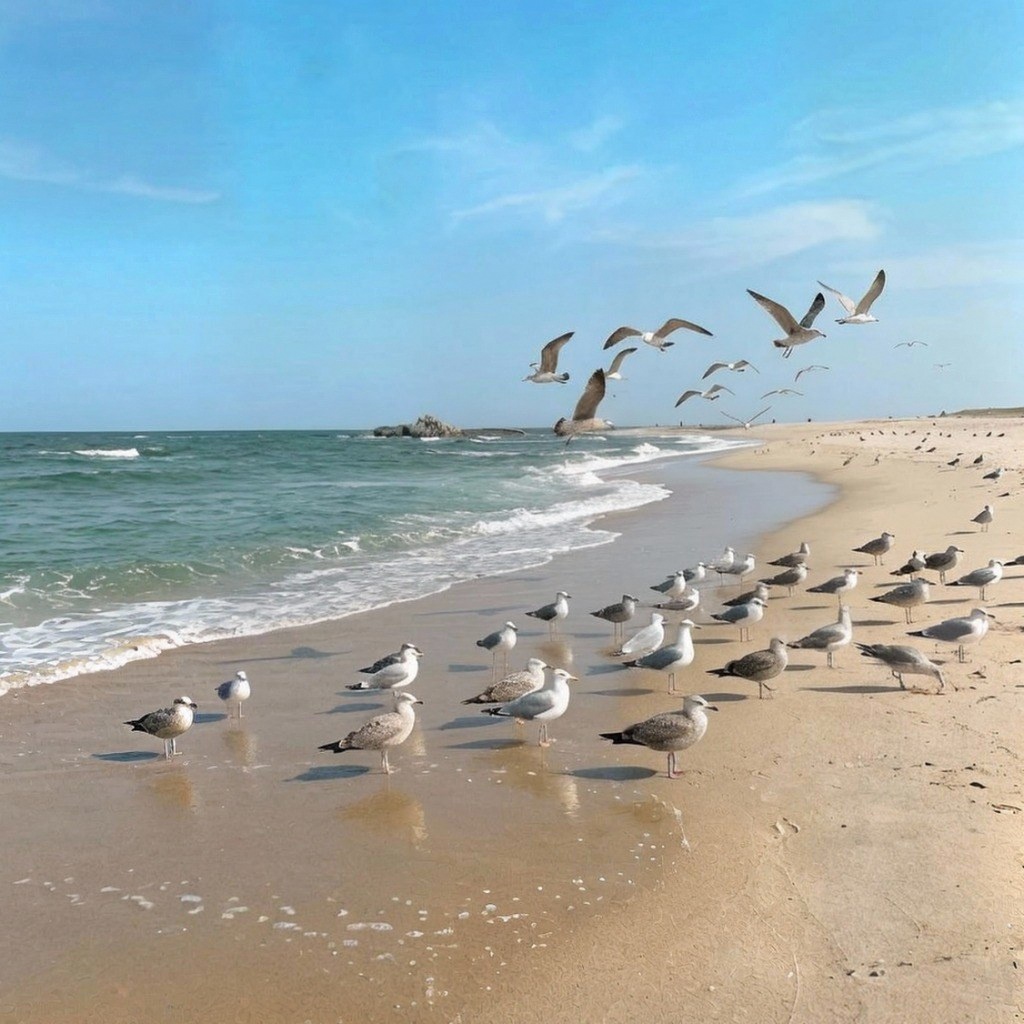
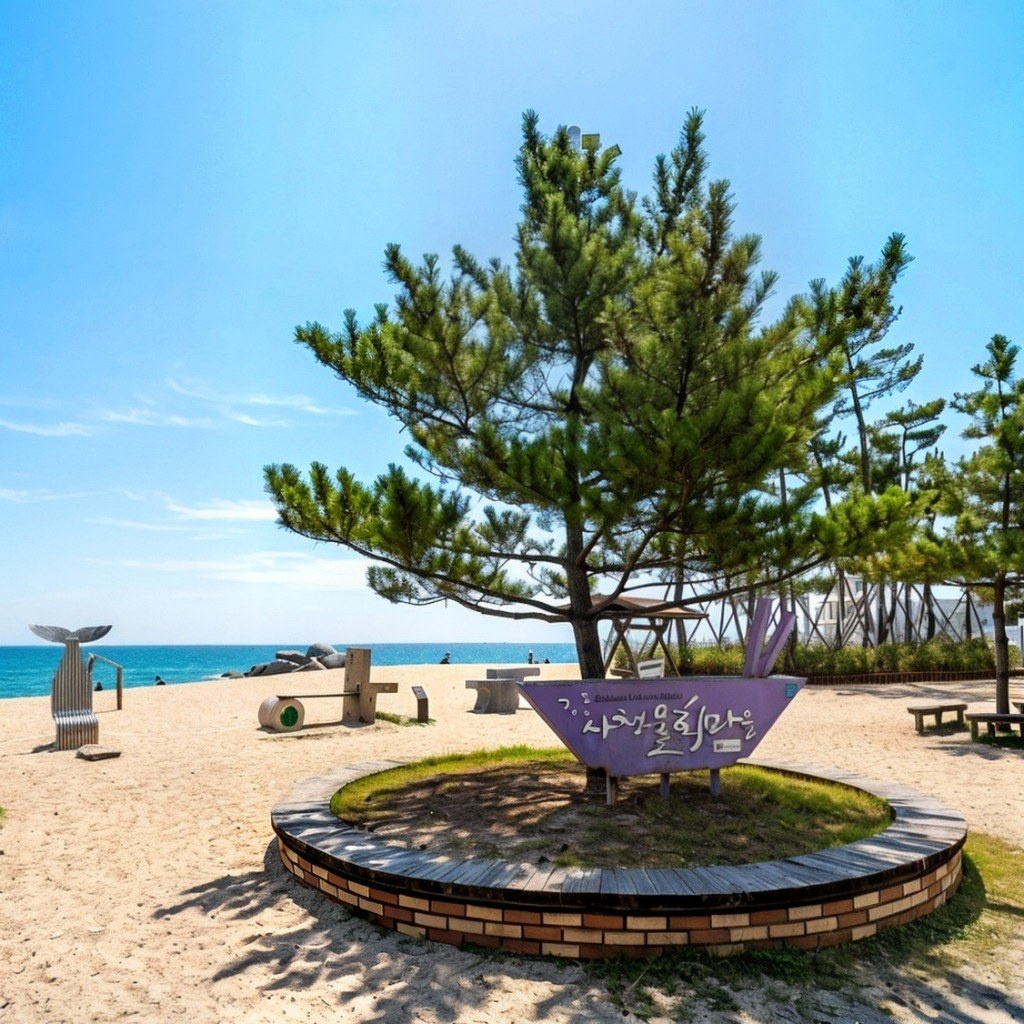
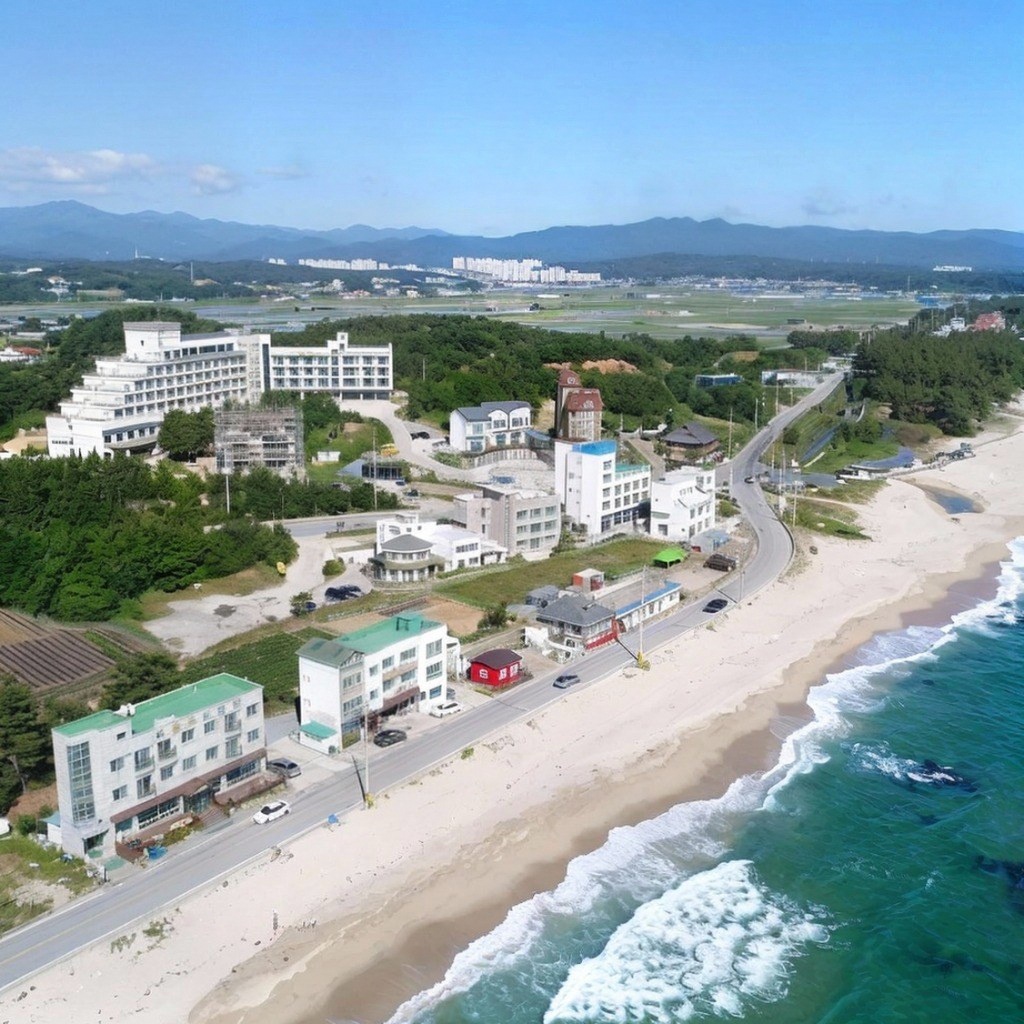
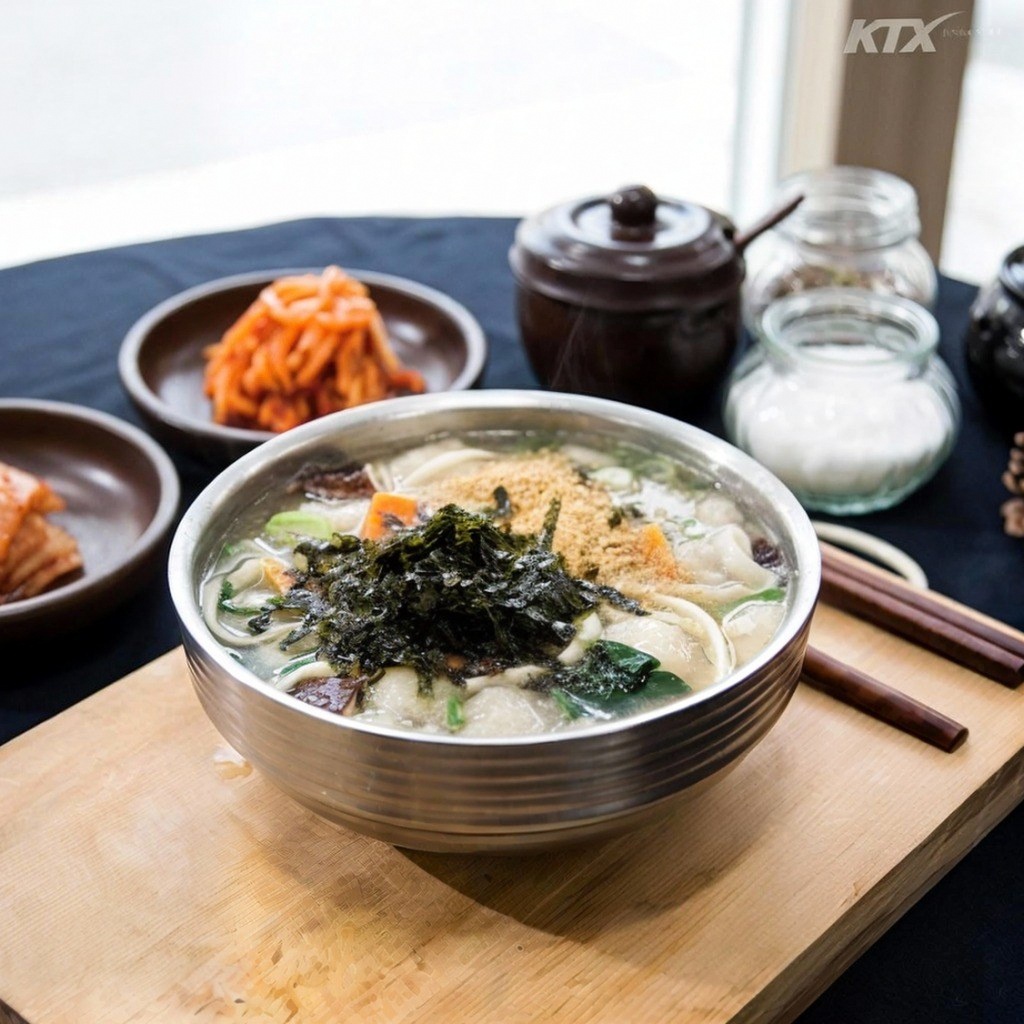
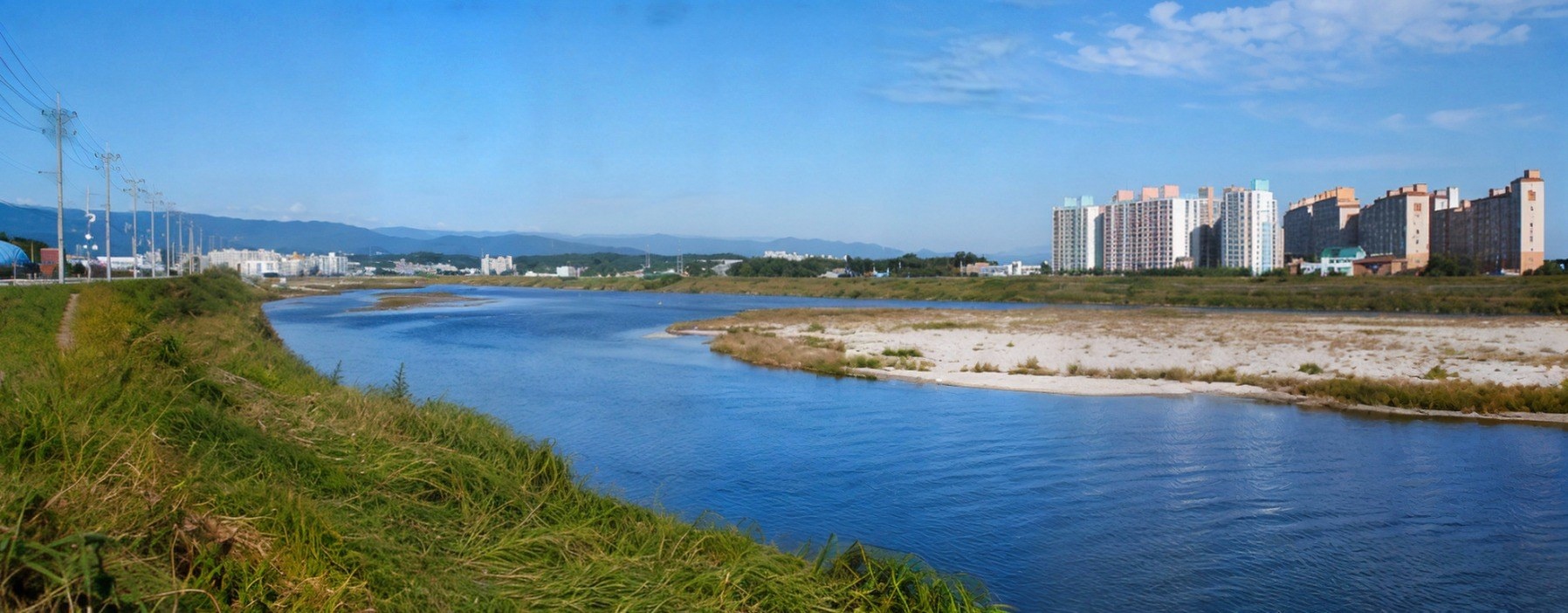
Gangneung is a city where you can easily combine the sea, coffee, and local noodles in a single day. Start your day with breakfast at a cafe in the pine forest near Sacheonjin Beach in the north, spend the afternoon at the Anmok Beach coffee street at the mouth of the Namdaecheon River, and then head back inland to the Bongsan-dong Ongsimi alley for a late lunch. This itinerary is perfectly planned. Starting from Sacheon Port, if you head north towards Jukjin, you'll find a cafe street lined with pine forests and sandy beaches. If you head south towards the city center of Gangneung and reach the mouth of the Namdaecheon River where it meets the sea, you'll find the Anmok Beach coffee street, which started with vending machine coffee. If you go inland again towards the airport, you'll find the Ongsimi alley, where they make Ongsimi using grated Gangwon-do potatoes. All three sections are close enough to be connected by car, so you can spend a fulfilling day with a morning cafe in the pine forest, an afternoon coffee and dessert at the coffee street, and a late lunch of Ongsimi.
Gangneung Sacheonjin Beach Pine Forest Ocean View Cafe Street
Sacheonjin Beach is located in Sacheon-ri, Sacheon-myeon. If you go a little north from Sacheon Port and pass Sacheon-ri Beach Park, you'll start to see cafes lined up. The cafe street starts at Sacheonjin Beach and extends along the coast to Hwaeong Beach in the north, so it's better to walk along the coastline and choose a spot rather than just visiting one place and turning back. Hwaeong Beach is a sandy beach at the northernmost end of Sacheon-myeon, right next to Sacheonjin Beach, and the walking path connecting the two beaches becomes the cafe pilgrimage route.
A pine forest separates the sandy beach and the cafe buildings, so I recommend passing through the pine forest walking path first instead of going straight to the sea. There are sections in the pine forest where the sandy beach and the horizon are framed like a picture between the tall pine trees, and the ground is covered with pine needles, giving a different feel to your steps compared to the sand. The route can be planned as follows: Pine Forest Walking Path → Sandy Beach Photo Zone → Outdoor Terrace → Indoor Seat with Large Windows, so you won't have to retrace your steps.
Before choosing a spot, there are a few things to consider. The spot where the pine forest ends and opens up to the sandy beach, the end where the breakwater and lighthouse are in the same frame, and the angle at which the waves crash inside the large windows are all different for each seat. The criteria for choosing a seat are as follows:
- First-row window seat — The seat closest to the sound of the waves and where the horizon is at eye level
- Pine tree garden terrace — A seat where you can sit in the shade of the pine forest and feel the breeze directly
- Indoor seat with large windows — The seat that offers the longest view of the sea on windy days
The Sacheon and Hwaeong areas have a wide pine forest and shallow sandy beaches, so in the summer, many families visit to enjoy swimming quietly. The cafe menu mainly consists of specialty coffee brewed with carefully selected beans, rich lattes, and pastries to go with them. On windy days, the indoor seat with large windows is more comfortable than the terrace where sand blows, and on calm days, the terrace seat in the shade of the pine forest brings you closer to the sea. Park your car at the Sacheon-ri Beach Park parking lot and walk up to Hwaeong Beach while choosing a cafe, and you can compare the shops one by one, which have different characteristics such as pine forest type, large window type, and terrace type, even though they are on the same coastline.
Gangneung Anmok Beach Coffee Street and Handmade Desserts
Until the 1980s and 1990s, Anmok Beach was just an ordinary beach lined with seafood restaurants. The coffee culture of this street surprisingly began with vending machine coffee. At the time, due to inconvenient transportation, customers and drivers who traveled by taxi would enjoy coffee from the vending machines on the beach during their waiting time, and the number of vending machines gradually increased. The people of Gangneung, who would hold a cup of coffee and look out at the sea, created the beginning of this street. Each vending machine had a slightly different ratio of coffee, sugar, and creamer, resulting in subtle differences in taste, and some people even had their favorite vending machine. Now, only a few of the old vending machines remain on one side of the street, and you can pass by them and reflect on the history of the street.
In the early 2000s, the character of the street changed as the first-generation baristas settled here and opened specialty coffee shops. When an episode of the entertainment program "1 Night 2 Days" aired, showing the cast members visiting the coffee shops on Anmok Beach and tasting different coffees, Anmok Beach gained national recognition. The Gangneung Coffee Festival, which has been directly hosted by Gangneung City since 2009, is held every autumn in the coffee street area around Anmok Beach, and has become Gangneung's representative festival, featuring coffee tasting, barista competitions, and performances. The street is lined with various shops, from roastery specialty stores to large coffee chains, so you can choose from a variety of options, from hand-drip coffee with a lively acidity to rich dark roast lattes.
If you want to walk the coffee street in an organized manner, you can follow this route: beach promenade → vending machine trace section → first-generation roastery → dessert stalls. The desserts that go well with coffee are also a highlight of this street. Handmade manju (steamed buns) filled with local Gangwon Province agricultural products such as potatoes, sweet potatoes, and chestnuts, Gangneung Coffee Bread and Coffee Bean Bread, which were created in connection with coffee, and tarts that go well with rich coffee are all popular.
When choosing a dessert shop, it is best to look for the following:
- A shop where local customers stay for a long time and fill the seats.
- A place where the smell of baking spreads strongly to the front of the stall.
- A counter where freshly baked bread is constantly replenished.
If you walk with a cup of coffee and a dessert to the end of the breakwater, you can see the passenger ship dock and the breakwater lighthouse of Gangneung Port (Anmok Port) at a glance. If you include the short route that connects the beach promenade, breakwater, and lighthouse, you can enjoy the sea and the port without just sitting in a cafe.
Gangneung Byeongsan-dong Ongsimi Village Food Street
If you come from Anmok Beach towards the Airport Road, you will find a street in the Byeongsan-dong area where restaurants serving potato ongsimi (dumplings) and potato pancakes are gathered, which is known as the Ongsimi Village. Ongsimi is a local food that has been enjoyed in southern Gangwon Province, such as Jeongseon and Yeongwol, and in the eastern part of Gangwon Province, such as Gangneung and Samcheok. It is made by finely grinding potatoes, shaping them into small dumplings, and boiling them in anchovy broth with vegetables. In Gangneung, it is considered one of the representative foods of the region, along with Jang kalguksu (noodle soup) and chodang sundubu (soft tofu).
The secret to the delicious taste lies in the preparation of the potatoes. Potatoes from the Jinbu and Daegwallyeong areas, which are grown in Gangwon Province, are finely grated and placed in a cloth bag. The potato water is squeezed out, which removes the bitter taste and enhances the color. After letting the squeezed water sit for a while, the clear water is poured out, leaving the white starch at the bottom. This starch is then mixed with the squeezed potato pulp, seasoned with salt, and formed into small balls, which are added to the boiling broth to create chewy and elastic "ongsimi." Each store has its own unique recipe, with different ratios of starch to pulp and different ingredients added to the broth, such as kelp and dried shrimp, resulting in variations in texture and flavor even for the same "ongsimi."
The menu is broadly divided into two categories. "Kalguksu Ongsimi," which combines kalguksu noodles and ongsimi, is a good option for those who want to enjoy both the softness of the noodles and the chewiness of the ongsimi. "Pure Ongsimi," which only contains ongsimi, allows you to fully appreciate the natural flavor of the potatoes. In addition, "potato pancake," made by thickly frying the grated potatoes, is a classic accompaniment in this alley. When choosing a store, look for one that uses potatoes grown on their own farm, has a clear and flavorful broth, and generously sprinkles seaweed and sesame seeds to enhance the savory taste. During lunch and dinner hours, the store is crowded with local customers, so you can reduce your waiting time by taking a quick look around the alley and choosing a store with a fast turnover rate.