A Day of Art: From Gyeongbokgung Palace to Seongsu-dong, Bridging Tradition and
This itinerary offers a leisurely exploration of Joseon Dynasty royal palaces and gardens, followed by a journey through Seongsu-dong, a former industrial area transformed into a design district. The contrast between the elegant, traditional architecture of the palaces and the trendy, renovated warehouses that now house exhibitions and shops creates a unique experience, allowing you to compare and contrast tradition and modernity in a single day.
This guide focuses on providing a structured itinerary, suggesting what to see and how to navigate each location. While all locations share the common theme of art and culture, each offers a distinct perspective. The royal palaces showcase grand courtyards and hierarchical seating arrangements, the living history museum displays artifacts and recreations of daily life, the traditional houses and markets offer glimpses into local customs, the urban forest provides a natural escape, and the design district showcases contemporary creativity.
The most natural flow is to start with Gyeongbokgung Palace and the National Folk Museum within its grounds, then explore the western district of Seochon and Tongin Market on foot. Adding Changdeokgung Palace's Secret Garden creates a cohesive experience. In the afternoon, crossing the Han River to Seongsu-dong allows you to experience both the traditional and the modern in a single day, exploring the Seoul Forest and the design district.
Gyeongbokgung Palace, Geunjeongjeon Hall
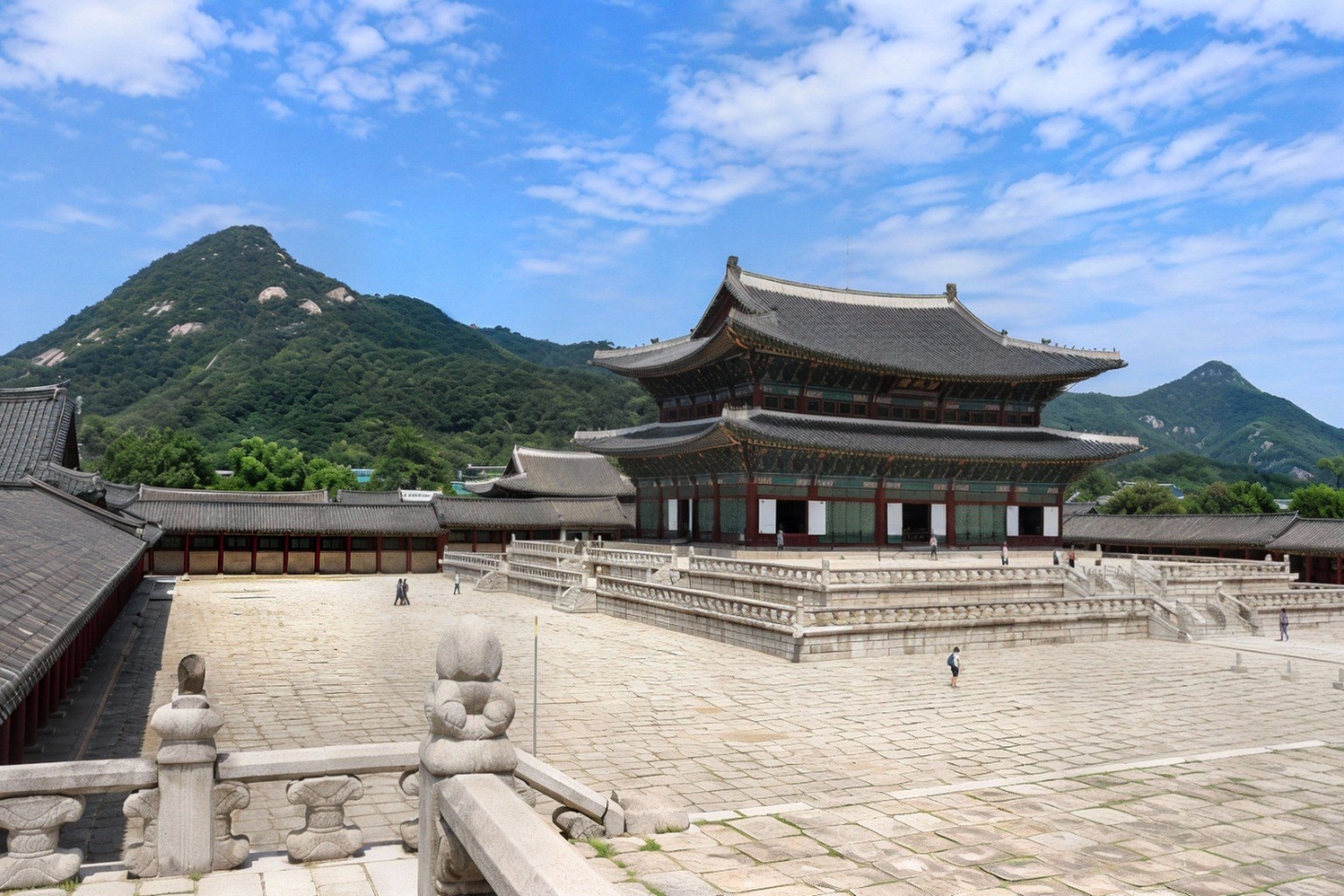
Geunjeongjeon Hall served as the main hall of Joseon Dynasty, where the king received officials and foreign envoys. The current structure was rebuilt in 1867 by Regent Heungseon Daewongun during the restoration of Gyeongbokgung Palace. While it appears to be a two-story building from the outside, the interior features an open, spacious design, creating a sense of grandeur upon entering.
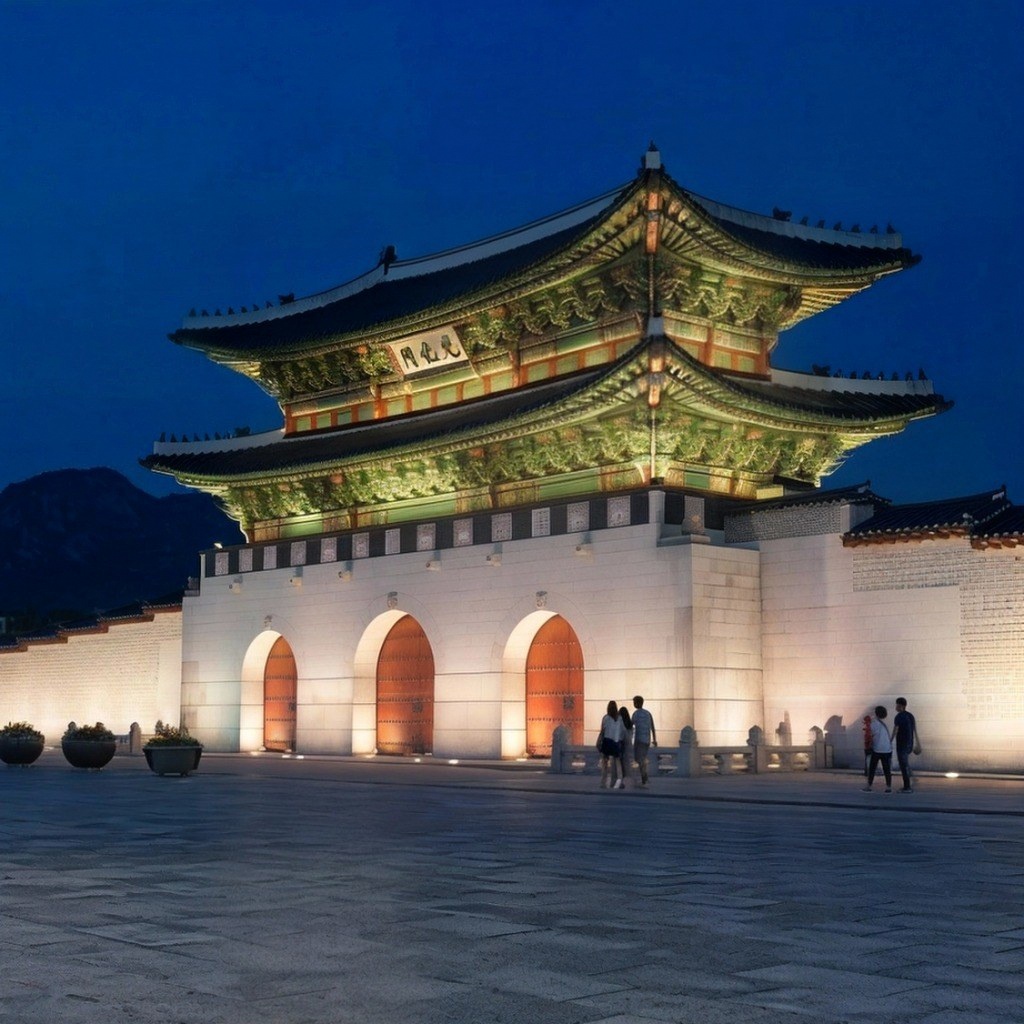
It's best to appreciate the hall's layout from the entrance. Walking along the north-south axis, passing through Gwanghwamun Gate, Heungnyemun Gate, and Yeongje Bridge, gradually reveals Geunjeongjeon Hall. After passing through Geunjeongmun Gate, a wide courtyard paved with stone slabs unfolds, with a path leading to the center. On either side of the path, two rows of stone platforms, each inscribed with ranks from the first to the ninth grade, are arranged. The east (right) side was reserved for civil officials, while the west (left) side was for military officials.
As you cross the courtyard and approach the building, a double-tiered platform supports Geunjeongjeon Hall. Each pillar of the platform's balustrade is adorned with stone animal sculptures, including the twelve zodiac animals. In the center of the main staircase, a stone pedestal carved with a phoenix indicates the king's path. On one side of the platform, a large iron cauldron, used to hold water for fire prevention, stands as a symbol of protection.
Look up at the eaves and the decorative elements. The number of dragon heads and mythical creatures increases with the building's importance. Don't miss the interior of the hall. In the center, the king's throne is placed, and behind it, a folding screen depicting the Five Peaks and the sun and moon adds to the grandeur. Look up at the ceiling to see a pair of seven-clawed dragons, symbolizing the emperor, further emphasizing the hall's significance.
- Entrance Axis: Walk along the straight axis from Gwanghwamun Gate to Heungnyemun Gate, then to Geunjeongmun Gate, and finally to Geunjeongjeon Hall.
- Courtyard: Observe the stone-paved floor, the central path, and the order of the stone platforms on either side.
- Foundation and Roof: Take in the double-tiered platform, the animal sculptures on the balustrade, the phoenix on the pedestal, and the mythical creatures on the eaves.
- Interior: Examine the throne, the folding screen depicting the Five Peaks and the sun and moon, and the seven-clawed dragons on the ceiling.
The early morning and late afternoon, when the light is soft, are ideal times to visit, as the colors of the painted decorations and the texture of the wood are most vibrant. If time permits, consider witnessing the changing of the guard ceremony at Heungnyemun Gate or renting a hanbok (traditional Korean dress) to wear while exploring the palace grounds. Gyeongbokgung Palace is located at 161, Sajik-ro, Jongno-gu, Seoul. Before your visit, check the official website for information on regular closing days and free admission for those wearing hanbok, to help you plan your itinerary.
National Folk Museum of Korea, Traditional Culture Exhibition Hall
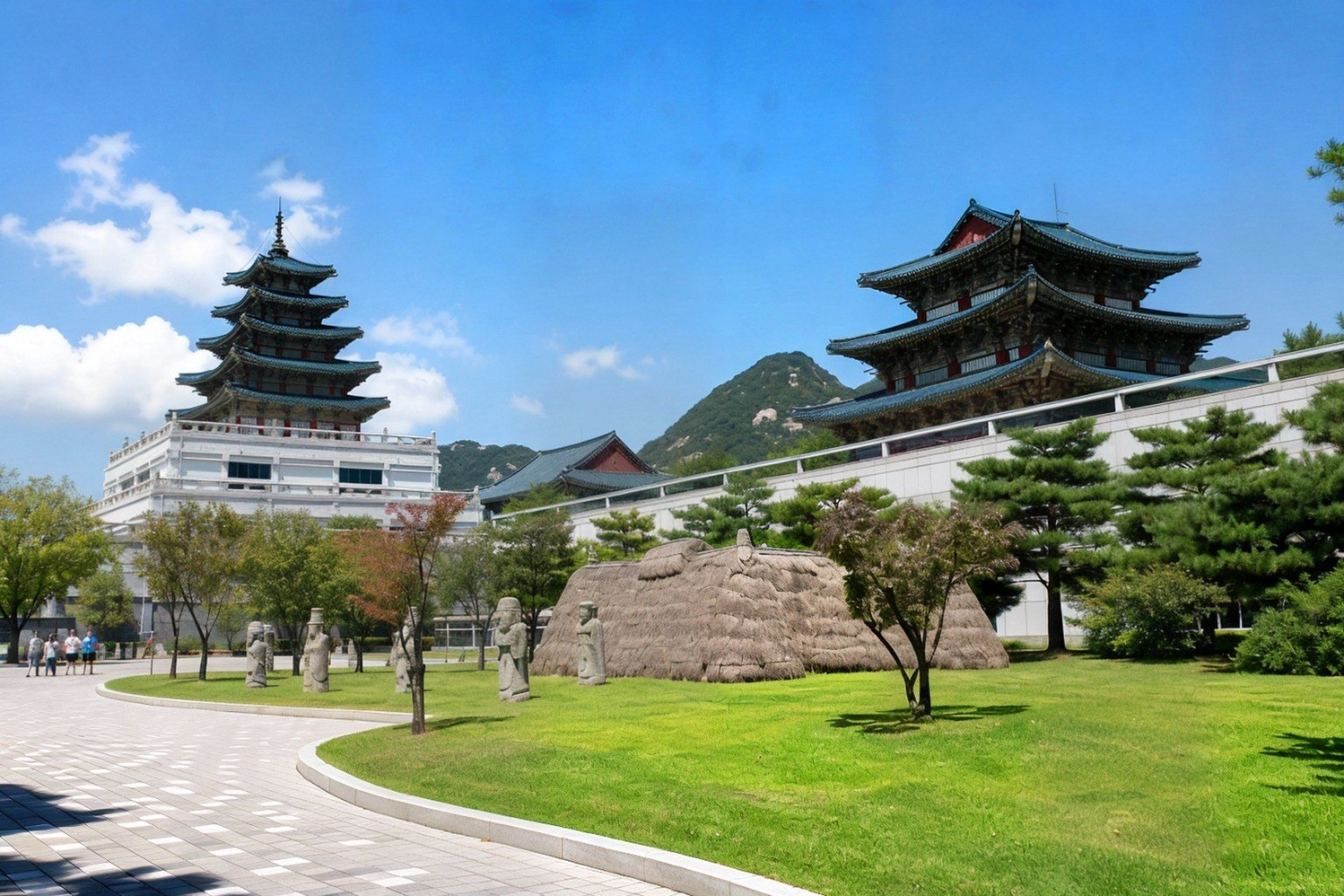
Located in the northeastern part of Gyeongbokgung Palace, the National Folk Museum of Korea is a natural extension of your visit, offering a glimpse into the daily lives of ordinary people during the Joseon Dynasty. Unlike the palaces, which focus on the royal court, this museum showcases the artifacts and recreations that bring the lives of commoners to life.
The permanent exhibition is divided into three main themes. "A Day in the Life of Koreans" explores the daily routines, occupations, and lifestyles of various social classes, including scholars, farmers, and artisans. "A Year in the Life of Koreans" showcases the seasonal customs and traditions that marked the passage of time. "A Lifetime in Korea" follows the major life events, from birth and marriage to death, in chronological order. By following this sequence, you can trace the evolution of Korean culture from a single day to an entire lifetime.
Be sure to explore the outdoor exhibition area as well. Here, you'll find a restored traditional Korean house, originally built in 1848 in Yeongdeok, Gyeongbuk Province, along with a small collection of traditional buildings. Adjacent to this is a recreated street from the 1960s and 70s, offering a nostalgic glimpse into the past. The shops and buildings, including a general store, a coffee shop, a comic book store, a barbershop, and a record store, provide a tangible connection to the cultural landscape of that era.
By considering each artifact as something that was once used by a real person, you can gain a deeper appreciation for the exhibits. If you're visiting with children, the recreated street and outdoor houses are excellent places to explore, allowing them to learn about the uses of everyday objects in a fun and engaging way. The museum is located at 37, Samcheong-ro, Jongno-gu, Seoul, and also houses a Children's Museum, which you can incorporate into your visit.
Seochon Hanok Village
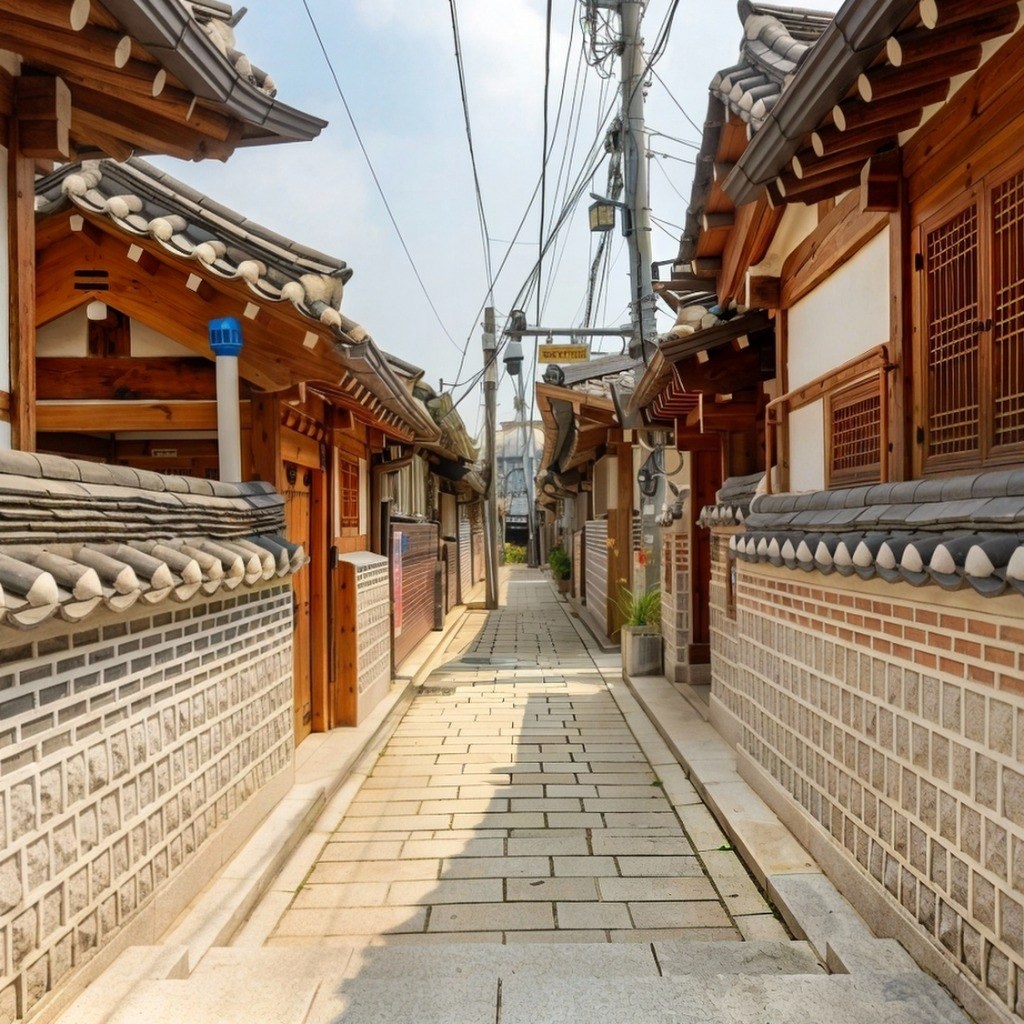
Seochon is a neighborhood located west of Gyeongbokgung Palace, nestled between the palace walls and the slopes of Inwangsan Mountain. Historically, it was a popular residential area for artists and poets. Just a block away from the main streets, you'll find narrow alleys lined with traditional Korean houses (hanok), interspersed with independent bookstores, craft shops, small galleries, and cafes.
The most convenient way to explore the area is to start near Tongin Market and gradually make your way up the slopes of Inwangsan Mountain. Begin at the site of the former home of poet Yi Sang, now preserved as a memorial, and continue to the Park No-soo Art Museum, housed in a 1930s two-story brick building. From there, head towards Susung-dong Valley, which was depicted in a painting by Kim Hong-do. Continuing uphill, you'll reach the Yun Dong-ju Literature House and the trails of Inwangsan Mountain.
As you wander through the alleys, pay attention to the contrast between the traditional tiled roofs of the hanok and the modern glass storefronts of the shops. The coexistence of old shops, such as ironmongers and laundromats, alongside trendy cafes and boutiques is a defining characteristic of Seochon. With its narrow streets and numerous branching paths, it's best to simply wander and stop at any storefront that catches your eye, rather than trying to follow a strict itinerary. Seochon is directly connected to Tongin Market, making it easy to explore both areas in a single visit.
Tongin Market, Yeopjeon Alley
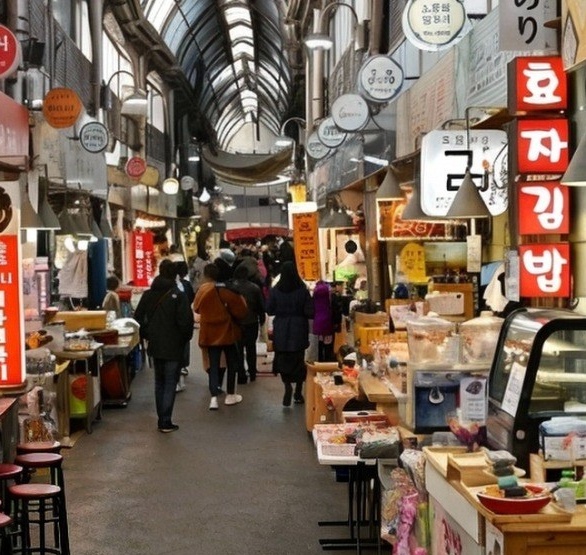
Tongin Market is a traditional market known for its unique "yeopjeon" (traditional Korean coin) lunch experience. Visitors can purchase yeopjeon at the customer service center and use them to buy a variety of dishes, such as fried tofu, pancakes, vegetables, and japchae, from participating vendors. They then assemble their own lunch box and enjoy their meal in the designated dining area. This offers a fun and interactive way to experience the market and sample a variety of local delicacies.
The most popular dish is the oil-fried tteokbokki, which is cooked in a large pan with oil, resulting in a crispy and flavorful dish that is different from the typical spicy red tteokbokki. It's recommended to choose a variety of dishes to fill your lunch box, allowing you to share and sample different flavors with your companions. Near the west entrance, you'll find Hyoja Bakery, a long-standing bakery that is perfect for dessert.
When choosing vendors, look for those that display the "lunch box" sign and have a good turnover of food, ensuring freshness. The lunch box cafe and yeopjeon system have specific operating hours, so it's best to check the schedule before your visit, especially if you're planning to have lunch there. The market is located at 18, Pilun-daero 6-gil, Jongno-gu, Seoul, and is directly connected to the Seochon neighborhood.
Changdeokgung Palace, Secret Garden (Biwon)
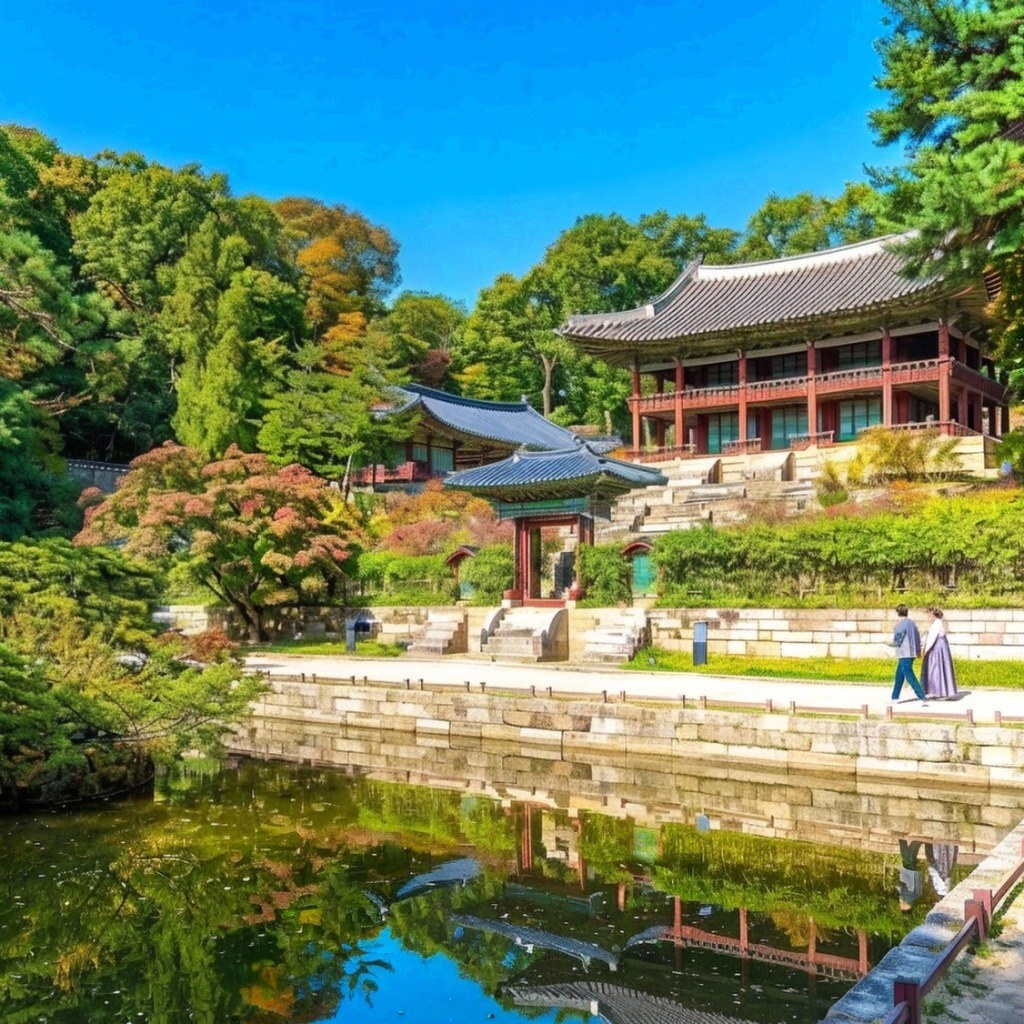
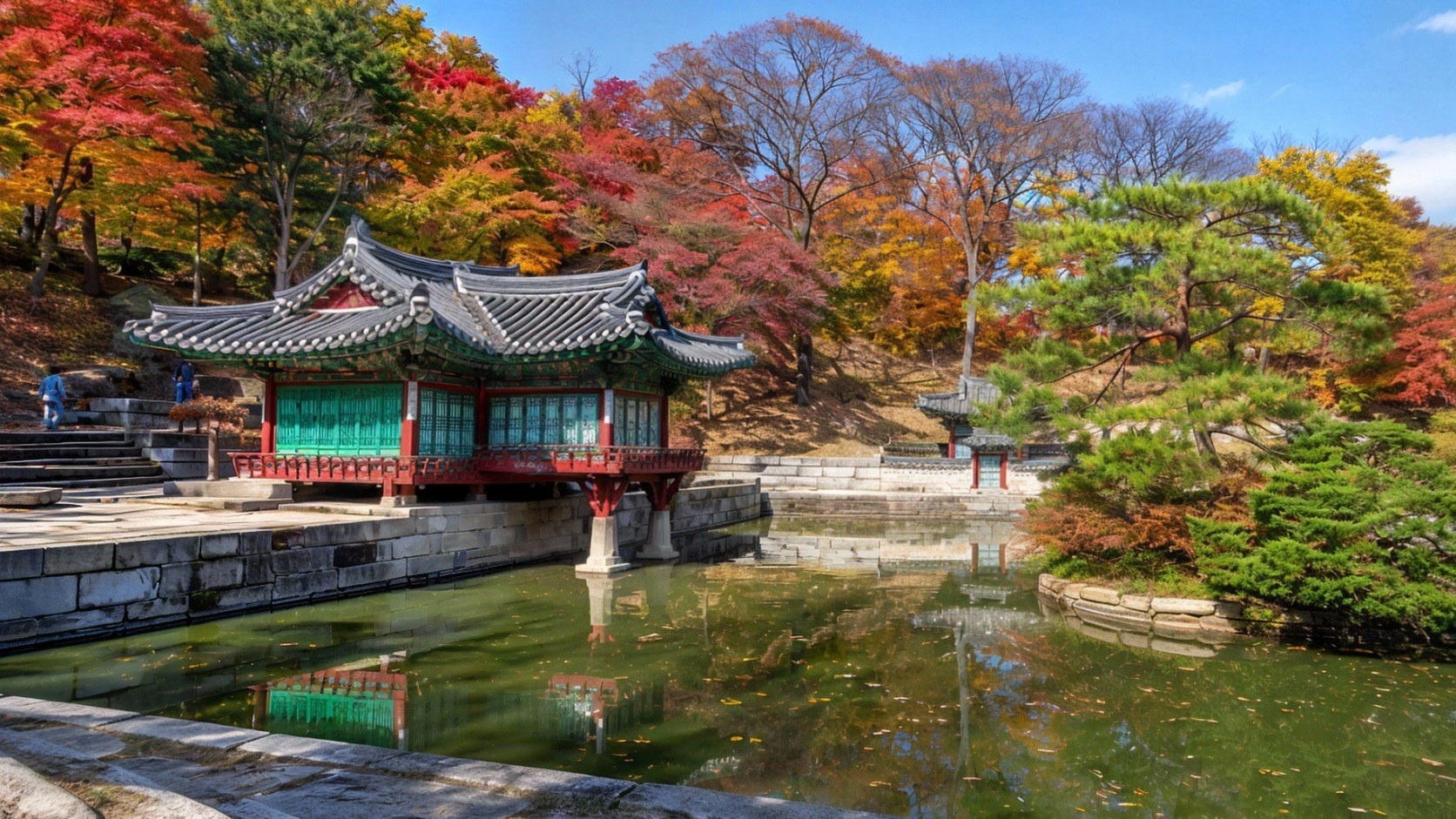
The Secret Garden of Changdeokgung Palace is a royal garden that preserves the natural landscape, incorporating valleys, hills, ponds, and pavilions. As a UNESCO World Heritage site, it is considered one of the most representative examples of Korean garden design. The garden is divided into four main areas: Buyongji, Aeryeonji, Gwanramji, and Okryucheon, each with its own unique character. As you move deeper into the garden, the landscape transitions from open spaces to more intimate and secluded areas, eventually leading to the slopes of Mount Maebong.
Guided tours are typically offered at set times, following a specific route. The first area, Buyongji, features a square pond with a circular island in the center. The Buyongjeong pavilion, which appears to float on the water, the arched gateway above the pond, and the spacious Buyongdang pavilion create a picturesque scene. The courtyard in front of Buyongdang was once used for royal banquets and archery competitions.
As you continue along the path, you'll reach Aeryeonji, named after the lotus flowers that bloom in the pond, and Yeonkyungdang, a traditional Korean house built without painted decorations. Next is Gwanramji, shaped like the Korean peninsula, with the Gwanramjeong pavilion, featuring a fan-shaped roof, and the Jondeokjeong pavilion, with its unique double-tiered hexagonal roof, standing by the water. The final area, Okryucheon, features a stream with rocks carved with inscriptions and small pavilions, such as Soyoam and Choeuijeong, marking the end of the tour.
The garden is designed so that each turn reveals a new pond or pavilion, creating a constantly changing landscape. The colors and textures of the garden are particularly beautiful in spring and autumn. The Secret Garden requires a separate ticket and operates on a timed entry system, so it's best to check the visiting hours and make reservations in advance. Changdeokgung Palace is located at 99, Yulgok-ro, Jongno-gu, Seoul.
Seoul Forest Park
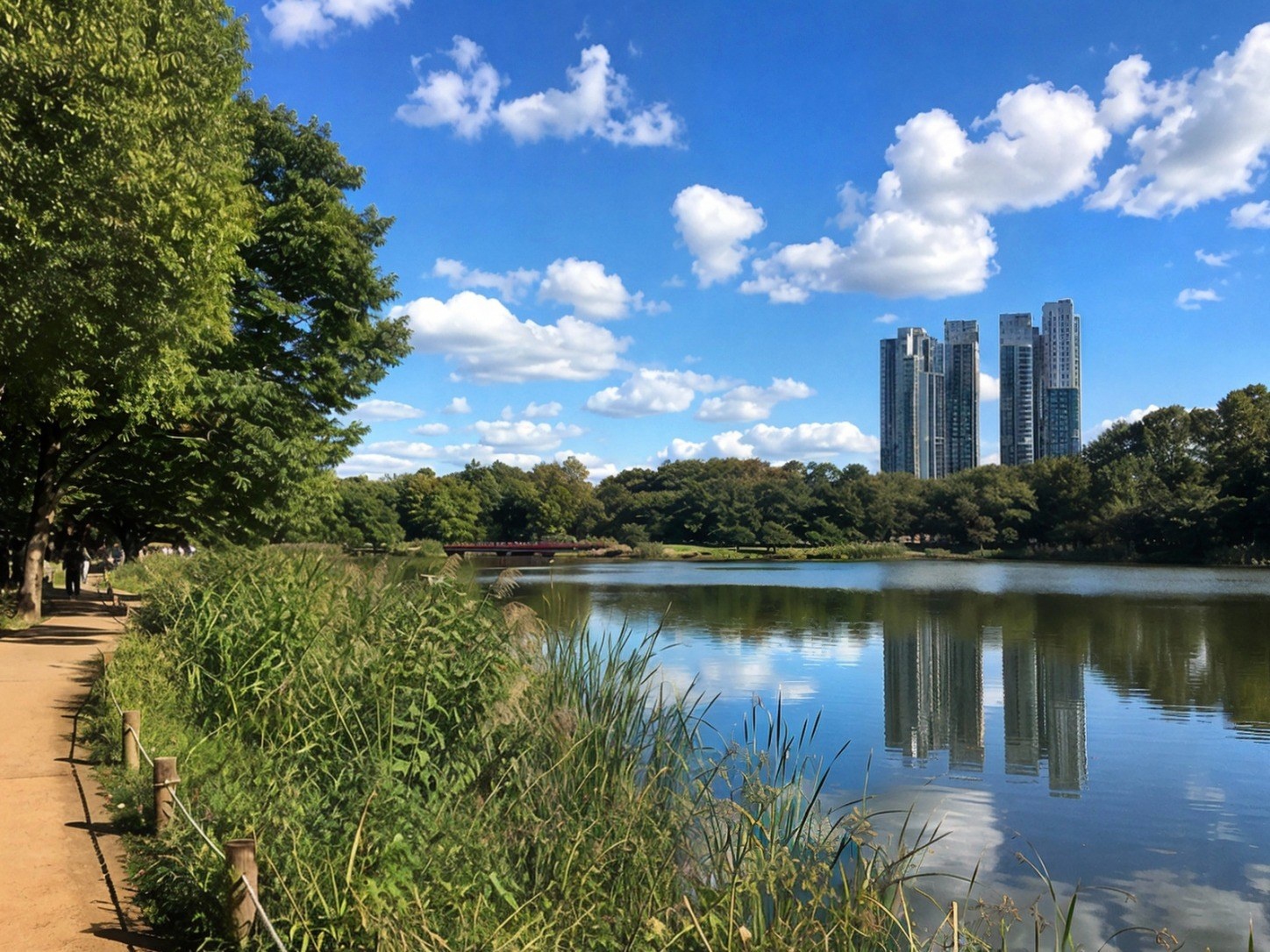
Seoul Forest is a large urban park located in the Ttukseom area, where the Han River and Jungnangcheon Stream meet. Originally used as a hunting ground, a racetrack, and a water purification plant, the area was transformed into a public park in 2005, incorporating remnants of its past into the park's design.
A popular route begins at the Family Lawn and the large open meadow, leading along a straight path lined with towering metasequoia trees. At the end of the path, the Mirror Pond reflects the trees in its still waters, creating a popular photo spot. The deer enclosure allows visitors to observe deer up close, and the Butterfly Garden, Insect and Plant Garden, and Gallery Garden, which was created from the old water purification plant, offer a variety of attractions. The Water Purification History Museum provides insights into the history of water treatment in Seoul.
The best way to explore the park is to start from the western side, where most of the facilities are located, and head towards the eastern side, closer to the Han River. At the end of the park, you can easily transition to the Seongsu-dong design district, creating a seamless experience between nature and urban culture. Seoul Forest is located at 273, Ttukseom-ro, Seongdong-gu, Seoul.
Seongsu-dong Atelier Design District
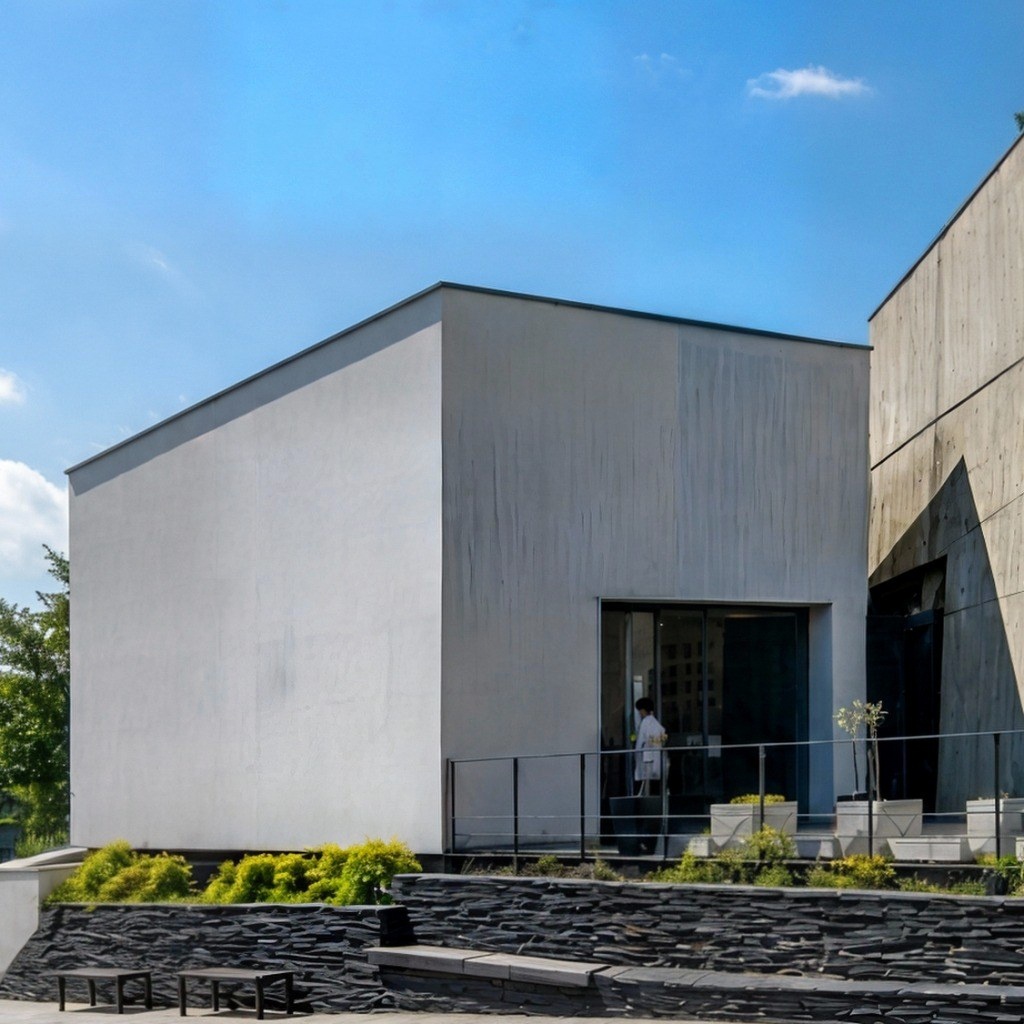
Seongsu-dong was once an industrial area, filled with printing shops, shoemakers, and factories. However, in recent years, it has transformed into a trendy district with cafes, galleries, and design shops. The Seongdong-gu district has implemented policies to preserve the red brick architecture, resulting in a unique landscape where old warehouses and factories have been renovated and repurposed, while retaining their original character.
A good starting point for exploring the district is Daelim Changgo, a former warehouse that was converted into a gallery-style cafe and played a key role in the transformation of Seongsu-dong. Although it has since been renovated into a fashion store, the high ceilings and red brick walls remain. Other notable locations include Seongsu Union, a complex that houses multiple shops in a single building, allowing you to explore a variety of brands in a short amount of time.
The area also retains some of its industrial heritage, with the Shoemaking Street still home to workshops and material suppliers. Seongsu-dong is also a popular destination for pop-up stores, with new shops and exhibitions appearing regularly. As you wander through the district, pay attention to how the old materials, such as red brick, iron gates, and exposed concrete, are integrated into the new designs. The district is centered around 5, Ttukseom-ro 1-gil, Seongdong-gu, Seoul, and extends into the surrounding alleys.
Tips for Enhancing Your Experience
This itinerary is best enjoyed by taking your time and focusing on specific aspects of each location, rather than rushing to see everything. At the palaces, focus on the courtyards and roof decorations; at the museum, follow the thematic order of the exhibitions; in the hanok village, observe the walls and signs; in the Secret Garden, appreciate the ponds and pavilions; in the park, choose a walking route; and in the design district, pay attention to the original materials of the buildings. By focusing on specific elements, you can gain a deeper appreciation for each location.
Take your time at each location. Rather than trying to see as much as possible, focus on experiencing each place in a meaningful way.
Finally, consider the following tips to make your itinerary even smoother:
- Check Visiting Hours: For locations like the Secret Garden of Changdeokgung Palace, which require timed entry and reservations, be sure to check the visiting hours and make reservations in advance.
- Verify Operating Hours: The operating hours and days of the Tongin Market lunch box cafe may vary, so it's best to check before your visit.
- Wear Comfortable Shoes: You'll be doing a lot of walking, so comfortable shoes are essential.
- Allow Ample Time: If you plan to visit both the traditional areas and Seongsu-dong in the same day, allow plenty of time for travel.
- Plan Your Transportation: Gyeongbokgung Palace, Seochon, and Changdeokgung Palace are within walking distance of each other, while Seongsu-dong is located across the Han River, so plan your transportation accordingly.