From a bowl of Gukbap to Moju at the Night Market, a day of culinary delights in
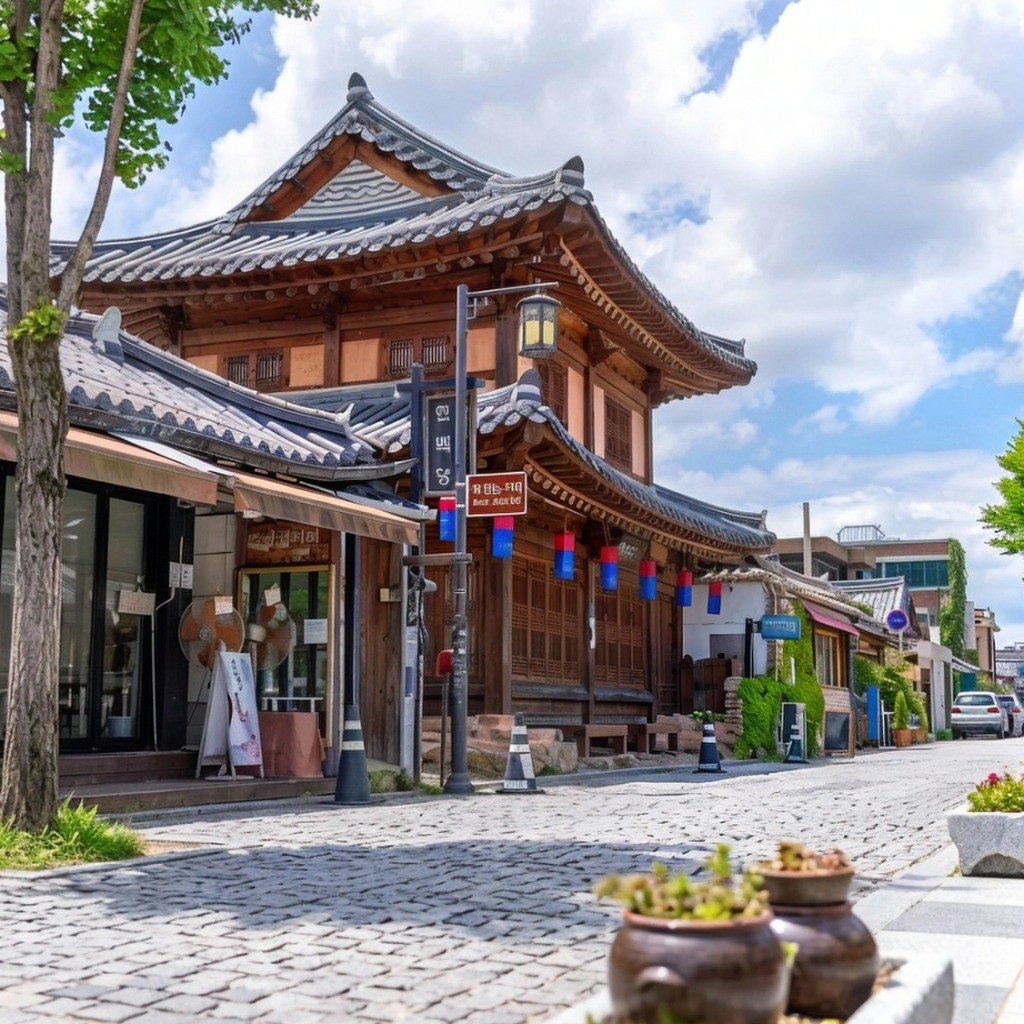
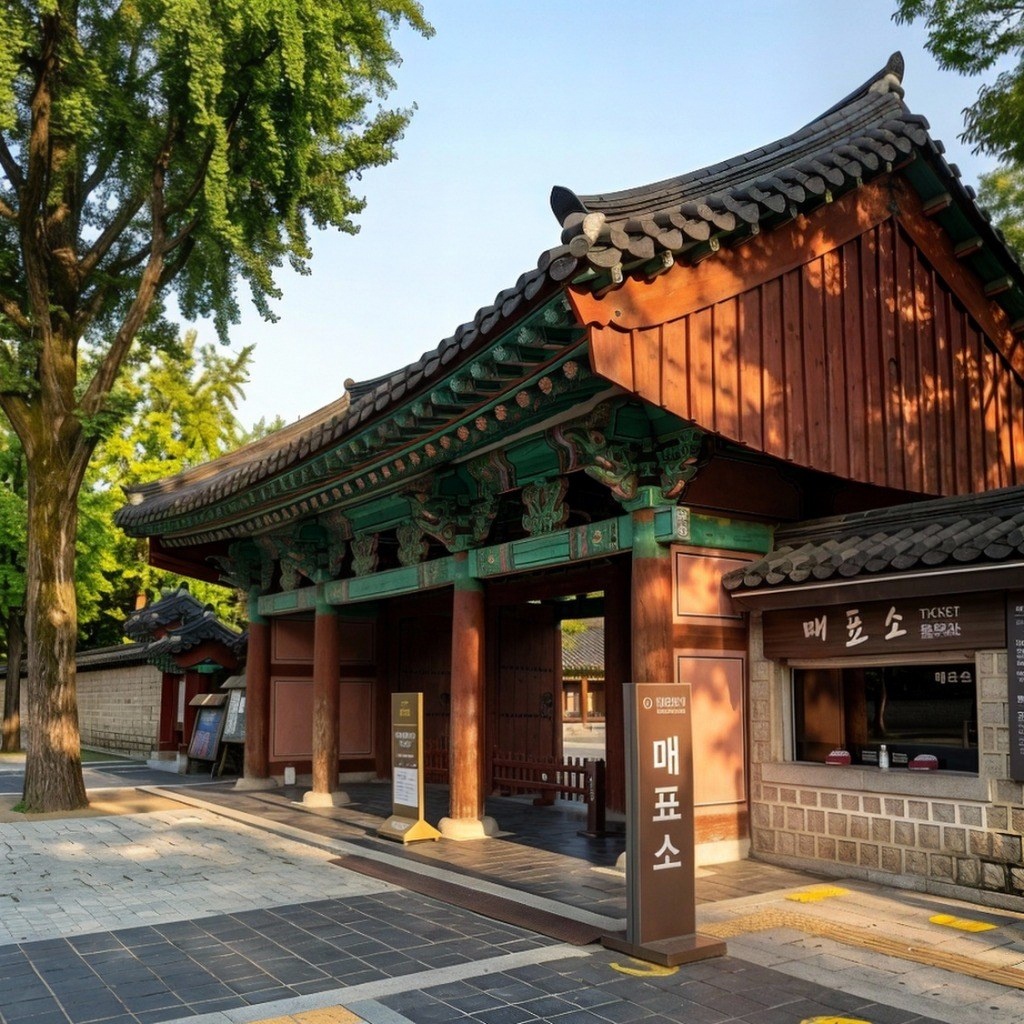
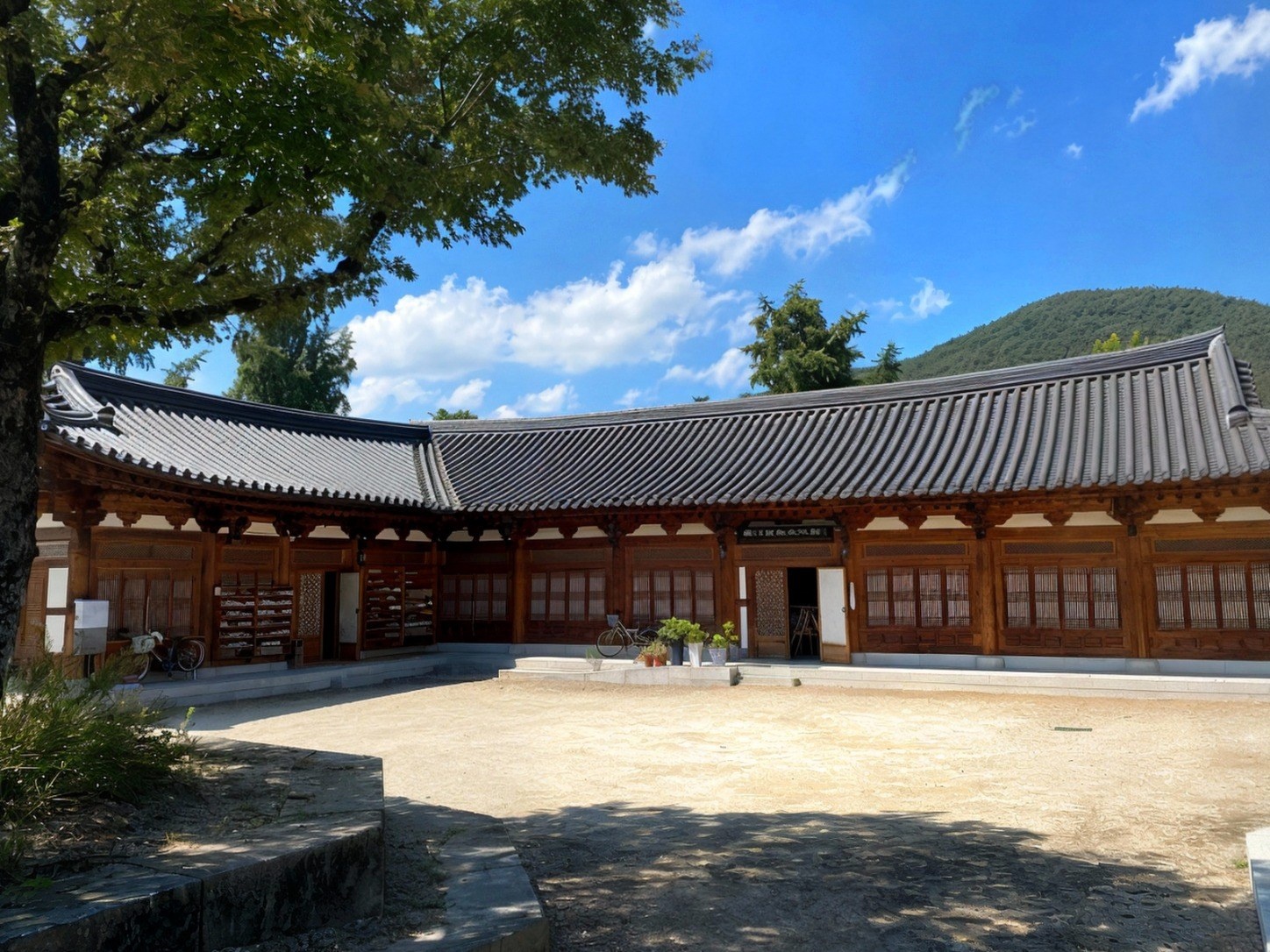
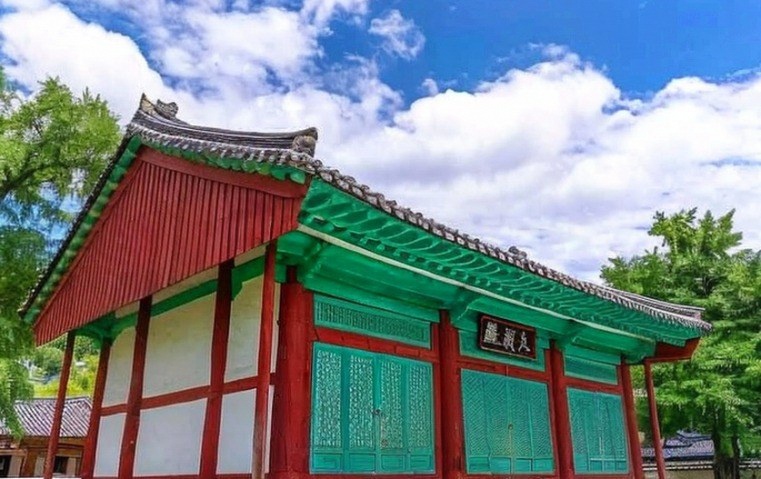
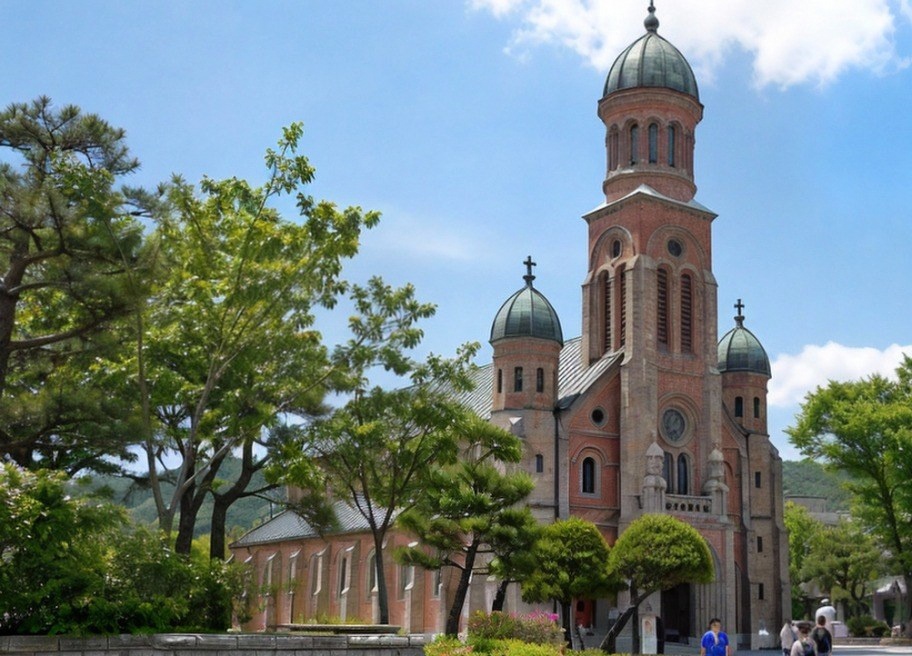
Jeonju is a city where you can start your day with a bowl of Kongnamul-gukbap, take a break at a teahouse in Hanok Village with a cup of Hwangcha, and end your day with Yukjeon and Makgeolli at the Nambu Market night market. These culinary experiences are all conveniently located within walking distance. Even if you have the same Kongnamul-gukbap, the cooking method and side dishes vary depending on the restaurant, and even if you visit the same teahouse, the way they brew and serve the tea differs. With the Hanok Village at its center, where over 700 traditional Korean houses are nestled among cultural assets like Gyeonggijeon, Hyanggyo, and Jeonju Catholic Church, you can easily enjoy meals, tea, and market visits within a short distance. If you familiarize yourself with what to see and how to choose, each meal and cup of tea will become more enjoyable.
Jeonju Gyeongwondong and Nambu Market Kongnamul-gukbap Street
Jeonju Kongnamul-gukbap is broadly divided into two types. One is the Sambaikjib-style (boiled style, direct-fire style), which is served hot in a pot heated over a fire, and the other is the Nambu Market-style (infused style), which originated and spread in Nambu Market. Sambaikjib, from which the name originated, was founded in 1947 by Lee Bong-soon, who opened the restaurant without a sign. It is said that the name stuck because they only cooked 300 bowls a day and closed the pot for the day as soon as they ran out, even if it was still morning. On the other hand, Hyeondaeok, which represents the Nambu Market style, was founded in 1979 by Yang Ok-ryeon in a corner of Nambu Market, and it is known for the poached egg that it serves before the meal. Even though it is the same menu, the soup temperature, the texture of the bean sprouts, and the way the eggs are handled are completely different. Therefore, you can enjoy the bowl properly if you check which style of restaurant it is before taking the first spoonful.
The key to the Nambu Market style is infusion. They put cold rice and boiled bean sprouts in a pot, and then ladle the hot bean sprout broth from the pot into the pot several times, repeating the process to adjust the temperature. As a result, it is not too hot to burn your mouth and is served at a temperature that is easy to eat right away. Since the bean sprouts are not boiled for a long time, the stems remain crunchy, which is a characteristic of this style. The broth, made with radish, green onion, and anchovies, is on the mild side and has a distinct garlic flavor, and many places add a slice of blanched squid, which gives it a refreshing and spicy aftertaste. On the table, you will find salted shrimp, seasoned seafood, and seaweed, which you can add to the bowl or tear the seaweed into pieces to customize the taste to your liking. On the other hand, the Sambaikjib style puts the bean sprouts and rice in one pot and boils it over a direct fire, creating a rich and hot broth, which is perfect for cold days when you want a hot soup.
The most noteworthy detail is the suran (poached egg). In the Nam-bu Market style, eggs are not added directly to the soup, but a small bowl of half-cooked poached egg is served separately. The local way to enjoy it is to pour two or three spoonfuls of the hot broth into the bowl, add some dried seaweed flakes, and finish it before moving on to the main soup. Many customers also season the poached egg with the accompanying salted shrimp or braised vegetables. After warming up the palate with the poached egg broth, the garlic flavor and squid broth of the main soup become even more distinct. In contrast, the Sambakjip style involves cracking the egg directly into the pot, so if you prefer a richer flavor with the egg mixed into the broth, you can choose this option.
When choosing a restaurant, it's often better to look at the kitchen rather than the menu. If they serve "toryeom" (a type of soup), you'll see the broth being ladled and poured over the counter, and the poached egg bowl and dried seaweed flakes will be set out as standard. Many places also sell moju (a traditional Korean rice wine) as a side drink. Moju is a type of medicinal liquor made by adding ingredients like ginger, jujube, licorice, ginseng, and cinnamon to makgeolli (Korean rice wine), reducing the alcohol content through a slow simmering process. It is said that the name "moju" originated from the story of Lady No, the mother of Inmok Daebi, who was exiled to Jeju Island during the reign of King Gwanghaegun. She re-boiled the rice wine lees and sold it cheaply to the islanders. It is a sweet and warm drink that is good for hangovers and as a side dish, making a bowl of soup and a cup of moju a typical Jeonju breakfast combination.
Jeonju Hanok Village, Traditional Tea House Alley
As you enter the alley in the Hanok Village, you'll find traditional tea houses that preserve the original ondol (underfloor heating) rooms. You take off your shoes and sit in a traditional room, where you receive hot water and tea utensils to brew your own tea. It's as enjoyable to see what kind of tea is served in what kind of tea set as it is to look at the menu. For example, Gyodong Dawon is a tea house that renovated a Hanok that is nearly a hundred years old. The main building has traditional seating, while the annex has table seating. The signature menu is their fermented tea, hwangcha, which they have been making and aging for over ten years. It looks similar to green tea, but it is dried once more, which reduces the astringency and bitterness, giving it a yellowish color and a mellow flavor. In addition to hwangcha, they also serve teas such as Dongfang Meiren and Keemun black milk tea. At places like Daho, warm teas made with medicinal ingredients, such as Samhwacha and jujube tea, are popular.
When choosing a tea house, it's easier to make a selection if you consider the following:
- Tea Varieties — Check whether the place offers a variety of teas categorized by fermentation level, such as green tea, white tea, oolong tea, and black tea, or focuses on traditional teas made with medicinal herbs and flowers, like pine needle tea, chrysanthemum tea, jujube tea, and Samgyetang. If you want to try fermented teas, choose a place that serves Hwangcha or black tea. If you want a warm and comforting drink, choose a place that serves Samgyetang or jujube tea.
- Brewing Method — The amount of time you spend there will vary depending on whether it's a tea ceremony style where they provide the tea and utensils and let you brew it yourself, or a style where they serve the finished tea in a cup. In the tea ceremony style, you can brew multiple infusions from the same leaves and observe the changes in taste.
- Seating Arrangement — The view and lighting will vary depending on whether you sit in an Ondol-style room, on a raised floor, or in a seat facing the courtyard, so take a look inside before you enter.
Many places also serve teas with side dishes (such as Yakgwa, Hangwa, and rice cakes), so enjoying traditional snacks with tea is one of the pleasures of a Hanok Village teahouse. If they serve Yanggaeng or Hangwa, it's a good idea to alternate between the fermented tea, such as Hwangcha, and the sweetness. If you want to learn more about tea, you can look for a short program that teaches the etiquette of brewing and serving tea, such as the tea ceremony experience offered at the Jeonju Traditional Culture Training Institute in the Hanok Village. The operating schedule and registration method vary depending on the season, and each teahouse has regular closing days (for example, Gyodong Tea House is closed on Tuesdays), so it is recommended to check in advance before visiting.
Jeonju Nambu Market Night Market Food Town
Nambu Market is a traditional market located right next to Hanok Village. Since its opening as a public market in 1905, it has become a large market with over 800 shops selling silk, dried seafood, vegetables, fruits, and medicinal herbs. The market operates with different schedules during the day and in the evening, and the Youth Mall on the second floor of Building 6 is also part of the market. The night market is usually held on Friday and Saturday evenings, and in the summer, it generally operates from around 6 pm to midnight, while in the winter, it operates from a little earlier in the evening to late at night. Along the approximately 250-meter-long market passage, about 45 mobile stalls are lined up, and many of them are food stalls that sell grilled food on the spot. The exact operating days and hours vary depending on the season and events, and there are also days when the market operates longer, so it is safe to check before visiting.
The most popular food at the night market is Yukjeon. Originally, it's a pancake made by thinly slicing beef, dipping it in egg batter, and frying it. However, at the night market stalls, many places also serve it with thinly sliced pork (Han-don). Either way, it's best to eat it fresh and warm, right after it's cooked on the grill. Pair it with Moju, which I mentioned earlier, and you'll have the perfect Jeonju combination. Besides Yukjeon, there are also other dishes like Nakji Horong (grilled octopus skewers), bite-sized beef sushi, hamburgers and grilled steak served on military-style trays, exotic foods like Vietnamese pho and Lao-style dumplings (Saggu), and even the long-standing Pisundae and Kongnamul-gukbap restaurants from the Nambu Market, all located in one area. When choosing a stall, look for places with long lines, places that cook the food fresh, or places where local customers are eating. These are good indicators of quality. Most dishes cost around 3,000 to 5,000 won, so it's a good idea to try a little bit from several different stalls.
The 6th building's 2nd-floor Youth Mall has different operating hours than the night market. It's home to cafes, restaurants, souvenir shops, and artist studios, all located along a narrow corridor. Many of the shops are open even on weekdays when the night market is closed, making it a good place to visit as part of your Hanok Village itinerary. However, each shop has its own operating hours and days off, so if you're planning to visit a specific store, it's best to check beforehand.
A good itinerary would be: Explore the daytime market → Visit the cafes and studios in the Youth Mall → Enjoy the night market stalls as the sun sets. This way, you can enjoy the best of each time of day. Start your day with Kongnamul-gukbap and Moju, visit Gyeonggijeon and Hyanggyo, take a break with a cup of Hwangcha at a Hanok Village teahouse, and end your day at the Nambu Market night market with Yukjeon and Moju. This is the basic framework for a Jeonju culinary trip.