A Busan Seafood Culinary Journey Starting from Gwangalli Fish Center
Starting from the outdoor sashimi alley in Gwangalli Minrak Waterfront Park, passing through the grilled shellfish tents on the Cheongsapo coast, and ending at the Jagalchi dried seafood street, let's follow a culinary route that allows you to select fresh seafood directly from the sea and enjoy it grilled over a fire. This route includes a direct sales center where you can choose live fish from tanks, a port tent where shellfish are grilled on charcoal grills, and shops filled with various types of dried fish. Each location offers different items and ways of eating. By following this sequence from fresh sashimi to grilled shellfish and then to dried seafood, you can experience the diverse range of Busan's seafood within a single route.
Gwangalli Minrak Waterfront Park Outdoor Sashimi Alley
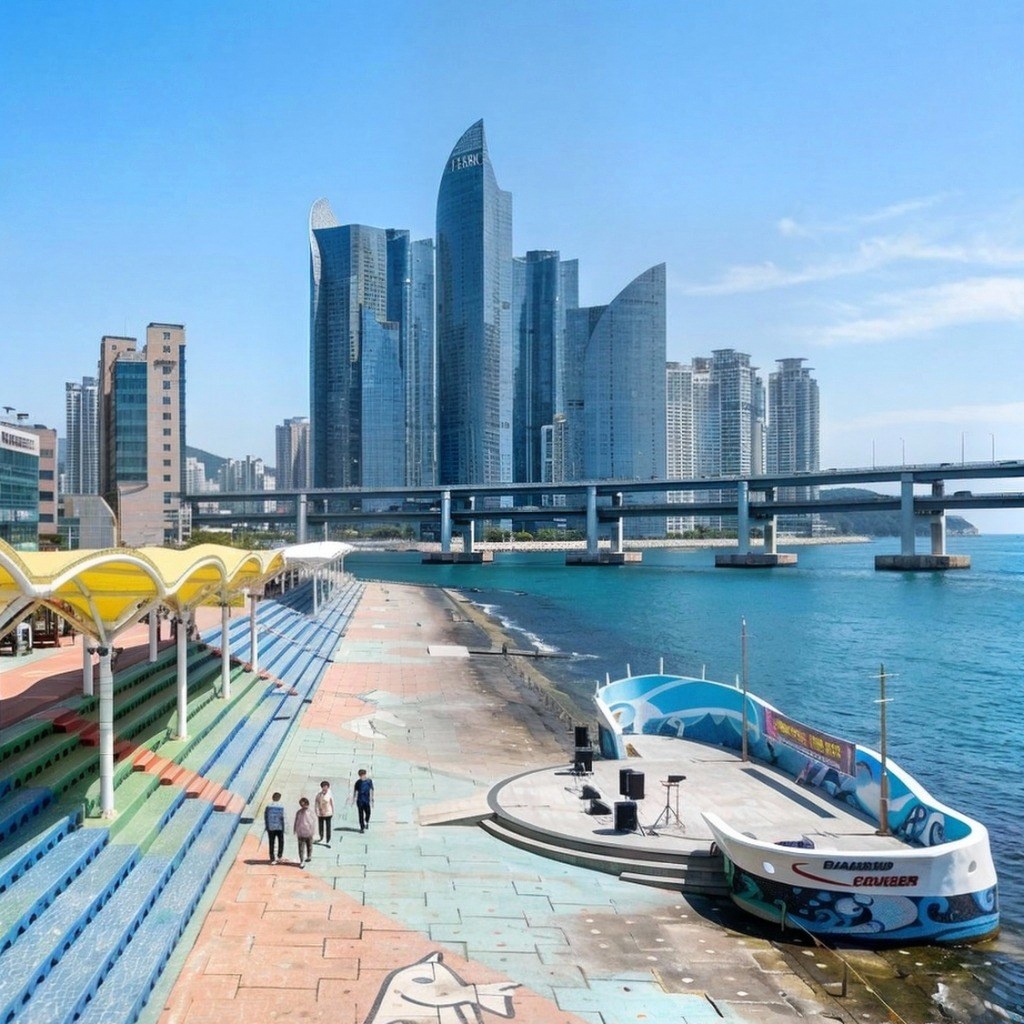
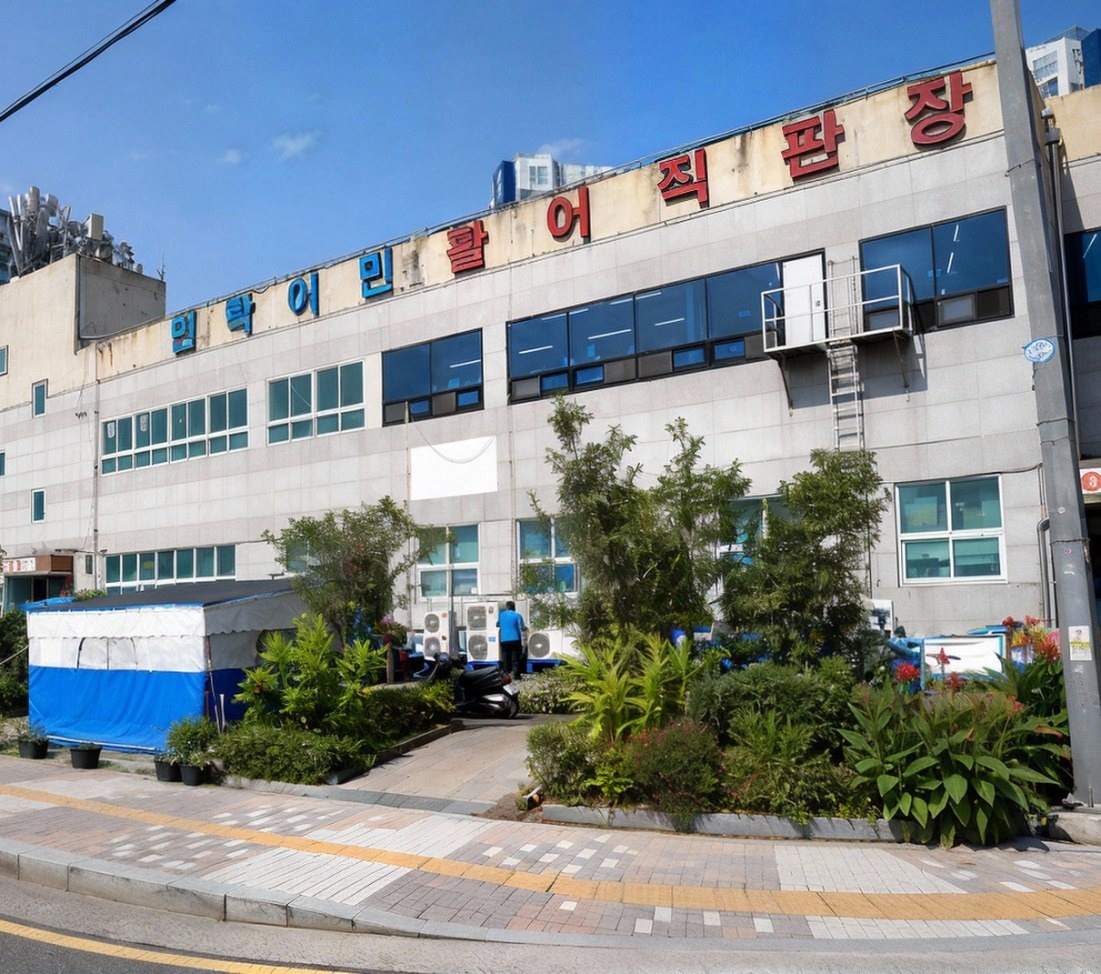
The center of this sashimi alley is the large sashimi center building located across from the waterfront park. These buildings, represented by Minrak Fisherman's Live Fish Direct Sales Center and C-Land Sashimi Center, are commonly referred to as Gwangalli Sashimi Center. The first floor is a live fish market with tanks lined up along the walls, where you can directly see and select sashimi ingredients such as flounder, sea bass, sea bream, and gizzard shad. The prices are not fixed but are determined by the type of fish, weight, and tide of the day, so it is better to compare the size and vitality of the fish, as well as the clarity of the water in the tanks, before making a decision rather than choosing immediately from the first tank you visit.
Once you have chosen your sashimi ingredients, you can take the prepared sashimi to the Sashimi Restaurant on the upper floor of the same building. At the sashimi restaurant, you pay a per-person table charge and receive a seat, side dishes, and dipping sauce. It is common to add sea urchin, ark shell, and live octopus, and finish the meal with a spicy soup made from the leftover bones and heads of the fish. This is the standard course in this alley. Thanks to this division of labor, where you choose the fish on the first floor and receive the meal on the second floor, the cost of the sashimi and the table charge are calculated separately, so it is helpful to check both in advance.
Another popular way to enjoy the sashimi is to take it to the deck across the street in the waterfront park and eat it while facing the Gwangan Bridge. This has been a long-standing tradition. However, the areas where food consumption is allowed in the park and the operating policies may change depending on the season, so be sure to check the on-site signs on the day of your visit before setting up your spot. As the sun sets, the lights come on at the Gwangan Bridge, and the outline of the bridge deck and towers is reflected on the water. If you move from choosing the sashimi on the first floor to having the meal on the second floor and then to the deck to enjoy the night view of the bridge, you can follow a smooth route without retracing your steps.
Cheongsapo Coast Grilled Shellfish Alley
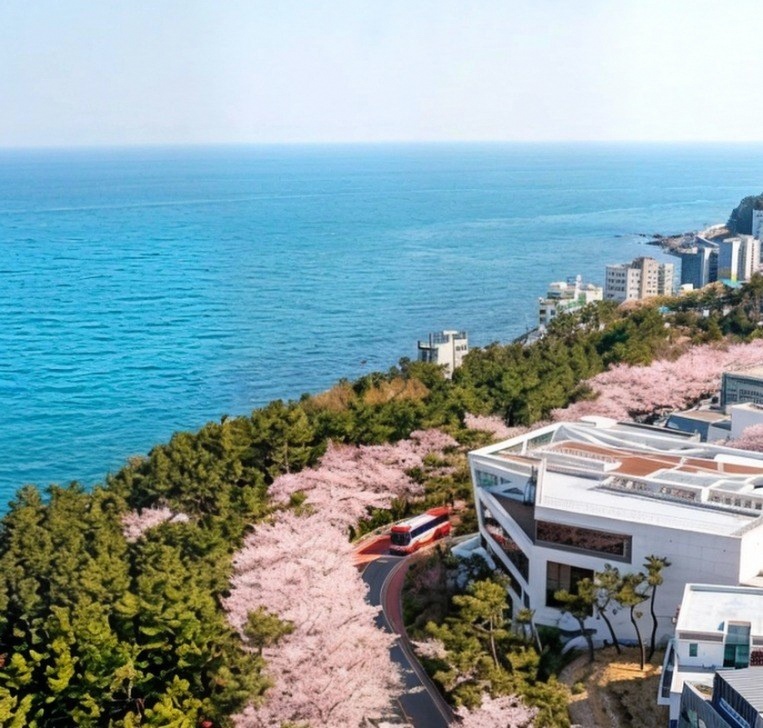
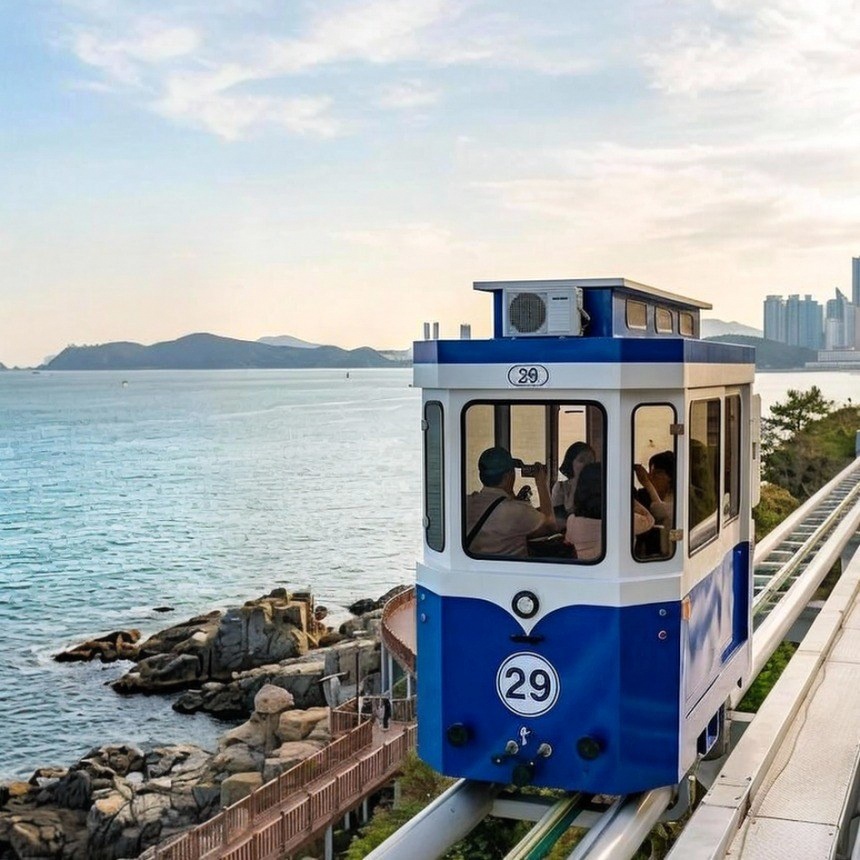
Cheongsapo is a small fishing village located beyond Haeundae's Dalmaji-gil, and its characteristic is that it is one of the few remaining fishing villages near the city center. There are two main routes that connect this area: one is the Green Railway coastal deck promenade, which was created by renovating the site of the old Donghae Nambu Line railway, and the other is the Haeundae Blue Line Park section, which includes the beach train and sky capsule that run along this railway. The Green Railway is a deck path that runs along the coast from Mipo to Songjeong, and as you walk with the sea on your right, you will naturally descend to the Cheongsapo port.
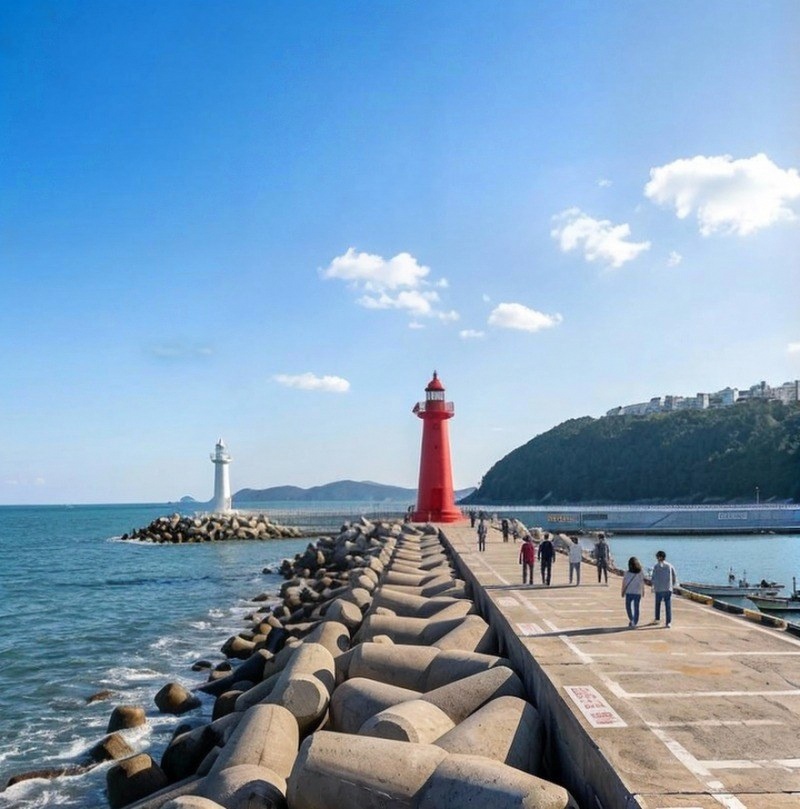
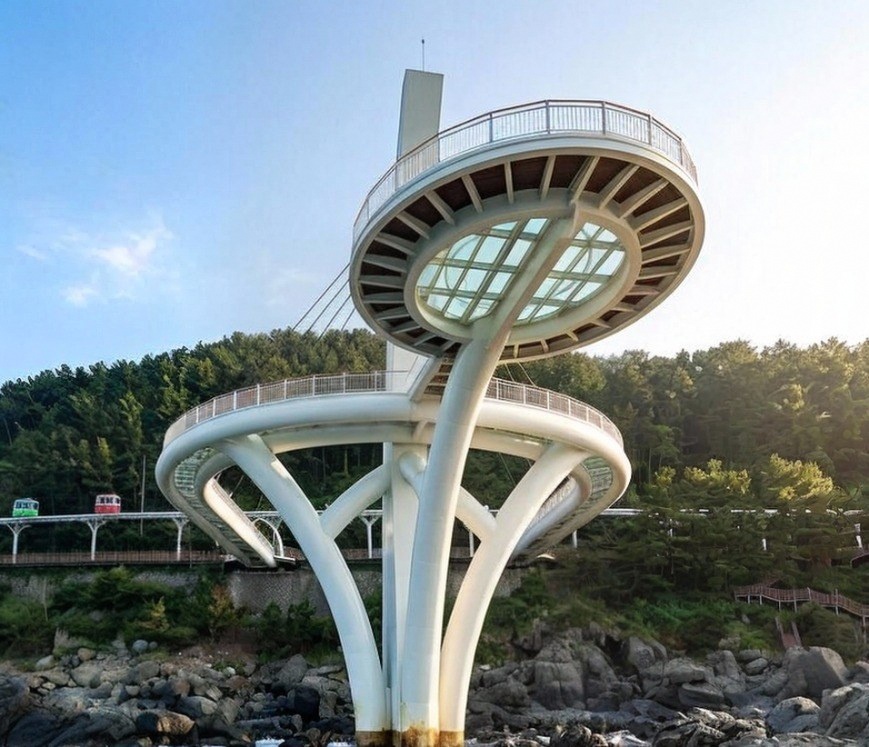
At both ends of the harbor stand the Twin Lighthouses, facing each other, and in front of the harbor, the rocky reefs of Daritdol are neatly lined up. The Cheongsaepo Daritdol Observatory extends from the Daritdol, and it is a structure where you can walk out to the middle of the sea along the elevated floor, high above the sea level, and look down at the currents and reefs below. It is natural to first explore the promenade, lighthouse, and observatory, and then head to the grilled shellfish alley.
Inside the tents of the alley, scallops, abalone, clams, scallops, and shrimp are grilled on a grill over a strong charcoal fire. When the shellfish open their shells and the broth fills the inside, you can either put cheese on top and melt it, or after eating all the meat, add ramen or knife-cut noodles to the remaining broth to finish. Many stores offer unlimited refills of shellfish, so it is best to check the grilling equipment and seating arrangement before sitting down, and also check the condition of the shellfish and whether the shells are clean.
Some stores also offer other dishes besides grilled items, such as abalone porridge, seafood knife-cut noodles, and cold noodle soup, so it is good to divide the order between grilled shellfish and other dishes according to the number of people in your group. If you decide on the side dishes and finishing noodles in advance while grilling, you can enjoy them continuously without having to wait for them to cool down on the grill.
Jagalchi Dried Seafood Alley
Jagalchi Market is Busan's representative seafood market, located in the Nampo-dong area, and together with the nearby International Market and Bupyeong Kkangtong Market, it forms a major market area in downtown Busan. Even in Jagalchi, there is a difference between the alley that sells live fish and the alley that sells dried seafood, and the main attraction of this alley is not live fish, but dried seafood. Each store is lined up with dried anchovies, dried squid, dried fish, dried pollack, Gijang seaweed, kelp, and dried shrimp, divided by size and type.
When choosing dried seafood, the first thing you will see is anchovies. Anchovies are used differently depending on their size. Large anchovies are used for broth, medium-sized ones for braising, and small ones for stir-frying. So, if you tell the store owner what you will use them for, you can avoid buying the wrong size. For dried fish and dried pollack, check if the thickness is uniform and if the color has not turned yellowish. For seaweed and kelp, check if they are not soggy and are dry and crispy when touched. For dried squid, check if the white powder is evenly distributed on the legs and body, and for dried shrimp, check if they are not broken and still have their shape.
Jagalchi began in the 1930s, after the Nam Bin reclamation project filled in the Jagalchi coast. Small-scale fishermen and women who used to fish in Namhang started selling their catch at stalls on the reclaimed land. After the Liberation and the Korean War, women who lost their husbands started selling goods at makeshift stalls, and the market grew into a livelihood for refugees. In 1972, it was officially registered as a market. The Jagalchi Ajumma, wearing red aprons and selling goods at their stalls while shouting "Oiso, boiso, saiso," still remains a symbol of this market.
Dried seafood is compact and easy to store, making it a perfect item to buy at the end of your trip. Before paying at the store, it's best to check two things.
- Whether it can be vacuum-packed — If you're planning to travel by plane or take a long-distance trip, ask in advance if it can be vacuum-packed. Vacuum-packing is beneficial for storing strong-smelling items like dried anchovies and dried squid.
- Pricing method — The price will vary depending on whether it's sold by weight (by "geun" or kg) or by bag, so check the pricing method before you start filling your bag.
- Taste test — For items that can be eaten immediately, such as dried anchovies or dried fish jerky, try the samples offered at the store to gauge the saltiness and fishy smell before making your selection.