From the sunset-hued alleyways to the Han River night view, a culinary stroll th
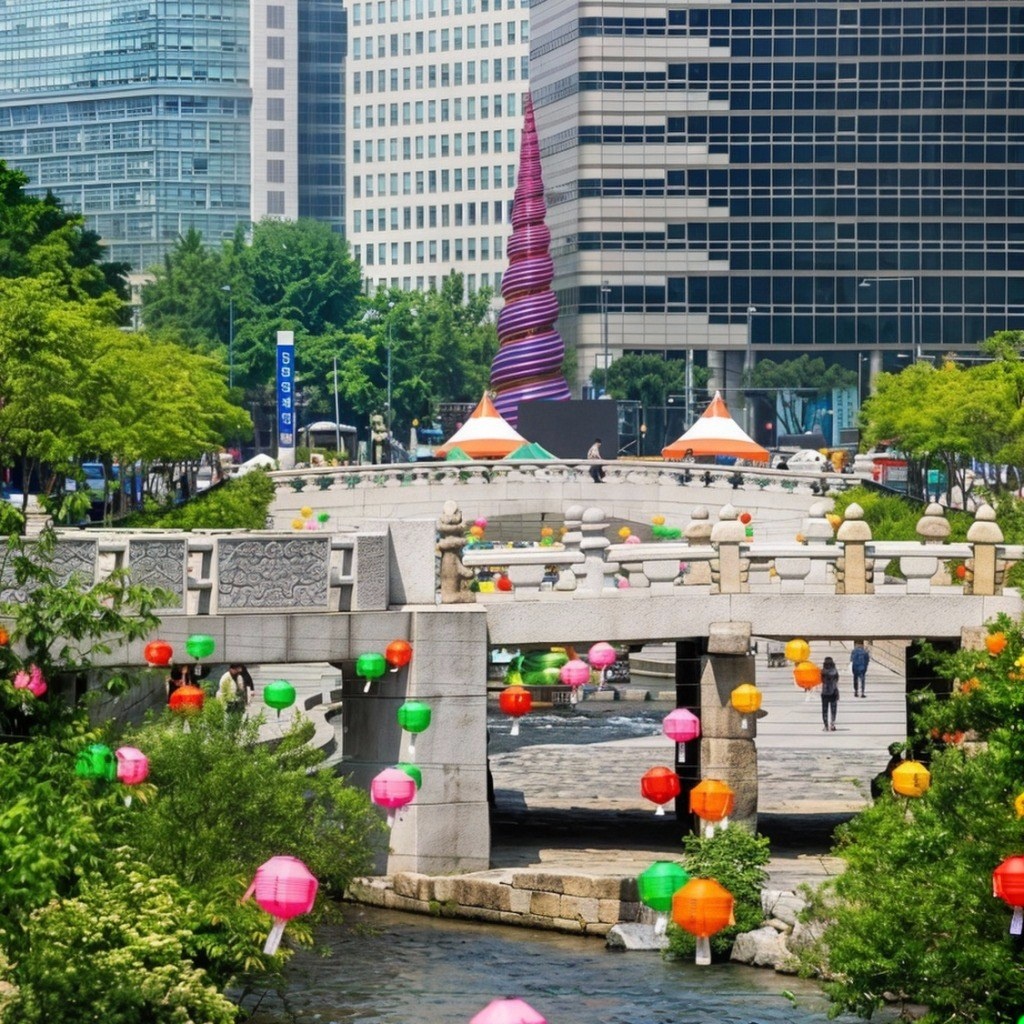
From Gwangjang Market in the heart of Jongno to the Tteokbokki Alley in Shindang-dong and the night food trucks along the Han River in Yeouido, this article introduces three places that represent Seoul's street food culture. It's a perfect itinerary for those who want to experience the flavors of old market alleys and enjoy the night scenery along the river.
Gwangjang Market, Green Bean Pancake Street
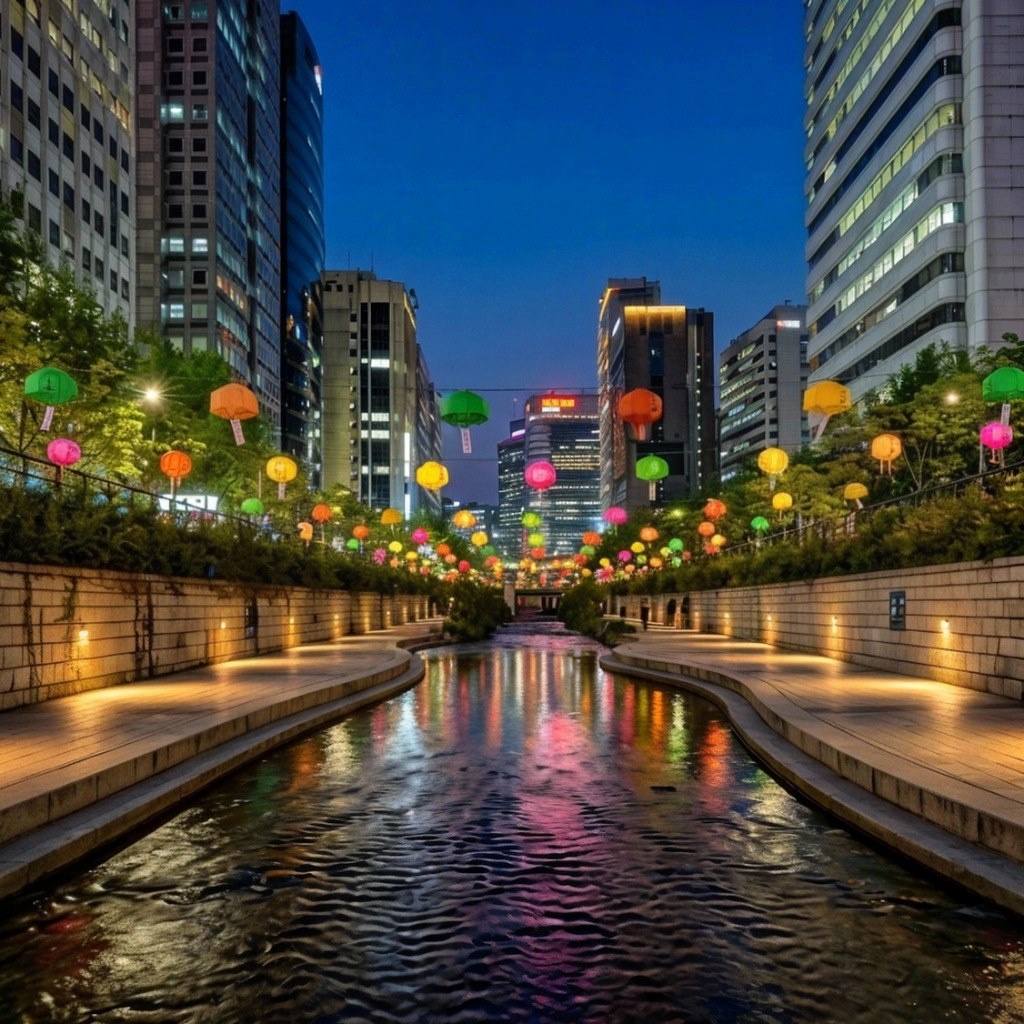
Gwangjang Market is a traditional market that spans Jongno 4-ga and 5-ga, with a history of over 100 years. Located between Gwanggyo and Janggyo bridges of Cheonggyecheon Stream, it was named Gwangjang by taking one character from each bridge's name. The market's history began in earnest in 1904 with the establishment of Gwangjang Corporation, which operated the market. Originally, it was a wholesale market dealing with fabrics and textiles, and even today, shops selling fabrics, used clothing, and imported tableware line the first floor.
Most visitors head to the food street that runs through the middle of the market. The signature dish here is Green Bean Pancake, made by grinding green beans in a stone mill and pan-frying them on a large iron griddle. The pancake is made with a batter mixed with bean sprouts, bracken, and pork, and it's a classic combination to enjoy it with a cup of makgeolli (Korean rice wine).
Another popular item is Mayak Gimbap (literally "drug gimbap"), which is a small seaweed rice roll filled only with pickled radish and rice. It's served with a dipping sauce made of wasabi and soy sauce.
In addition to green bean pancakes and mayak gimbap, the food street offers over 300 different dishes, including yukhoe (raw beef), mandu (dumplings), sujeonggwa (cinnamon punch), sundae (blood sausage), kalguksu (knife-cut noodles), naengmyeon (cold noodles), and raw fish. When choosing a restaurant, it's best to walk around the alley first rather than choosing one right away. You can easily decide what to eat by checking out the green bean pancake shops where the beans are ground on the spot, the yukhoe shops where the raw beef is sliced and served, and the mayak gimbap stalls with long lines.
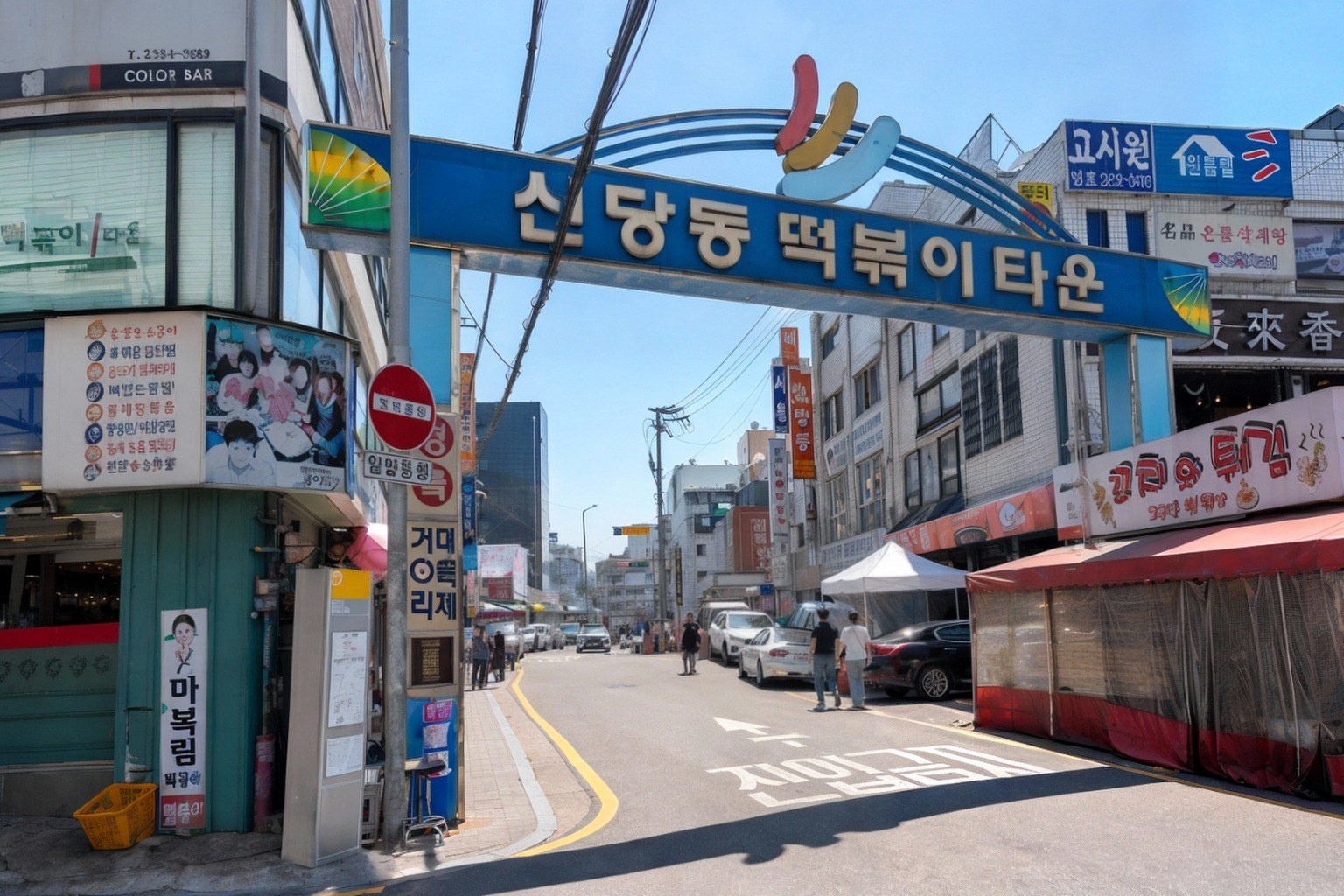
Shindang-dong Tteokbokki Town, Food Street
Shindang-dong Tteokbokki Town is a street near Shindang Station where tteokbokki restaurants are clustered. The unique feature of tteokbokki in this area is that it's not the kind of street food that's pre-mixed with sauce, but rather instant tteokbokki, where rice cakes, gochujang (Korean chili paste), vegetables, and ramen noodles are cooked together in a large pot right at the customer's table.
The origin of Shindang-dong's fame for tteokbokki is Grandma Maboklim. In 1953, shortly after the Korean War, she started a tteokbokki stall in Shindang-dong, serving tteokbokki coated with gochujang sauce. This is considered the prototype of the gochujang tteokbokki that has spread throughout the country. Since then, tteokbokki restaurants have opened one after another in the same alley, creating today's Tteokbokki Town, and even now, shops that carry on Grandma Maboklim's recipe are still there.
When ordering, the key is to choose the toppings to add to the basic tteokbokki. You can add ramen noodles, chewy noodles, glass noodles, dumplings, fish cakes, boiled eggs, and cheese to your liking, and it's customary to finish with fried rice, which is made by adding rice and seaweed flakes to the remaining sauce after you've finished the tteokbokki. This is the quintessential way to enjoy this street.
Yeouido Hangang Park Night Market Food Truck Street
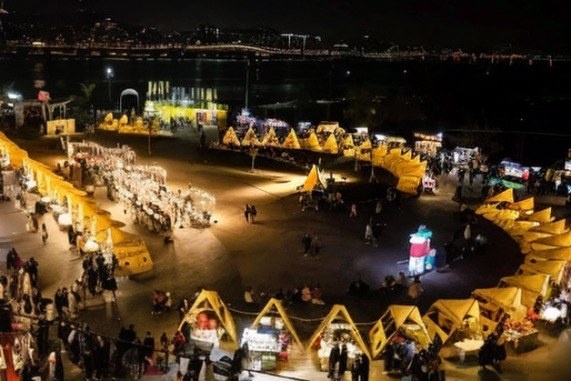
The night food truck street in Yeouido Hangang Park is an event called Seoul Night Market. It began as a pilot program in Yeouido Hangang Park in 2015 and became a permanent event the following year, and is considered a prime example of how food truck culture was established in Korea. The scene is characterized by food trucks and booths lined up along the Han River bank, illuminated after sunset.
The area is divided into zones. The Food Zone, where food is sold, features food trucks showcasing dishes from around the world, and the Handmade Zone sells handmade products at each booth. The Event Zone, with a stage, hosts busking performances, and a comprehensive platform is located at the entrance to provide information about the event.
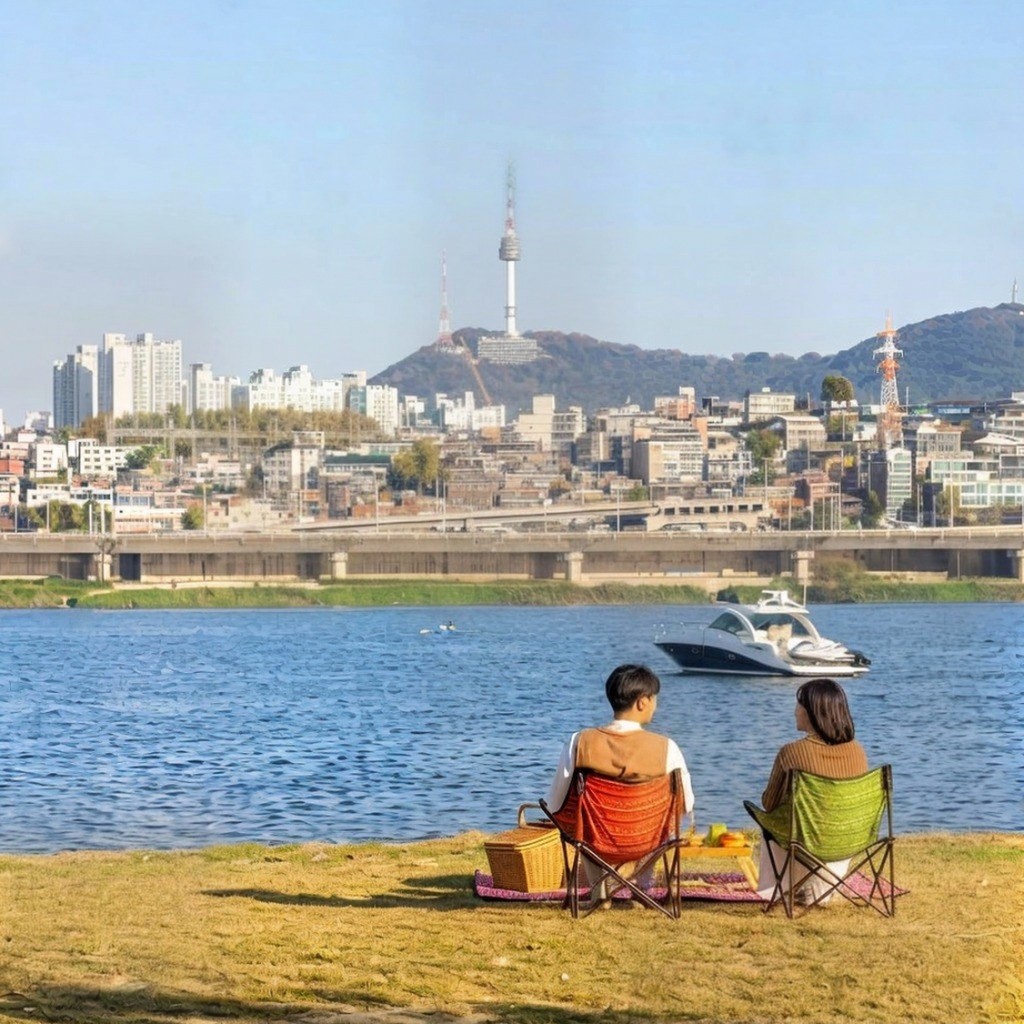
A good way to explore is to check the layout of the food trucks for the day at the information platform at the entrance and then browse the Food Zone in a row, comparing menus. After receiving your food, you can find a spot on the grass or steps along the Han River bank, facing the river, and enjoy your meal with the city lights and bridge views across the river as a backdrop. As it is an outdoor event, the operating period and hours vary depending on the season and weather, so it is recommended to check the schedule on the official Seoul Night Market website before visiting.