Paying at a Korean clinic: cards, exchange rates and where the total slips
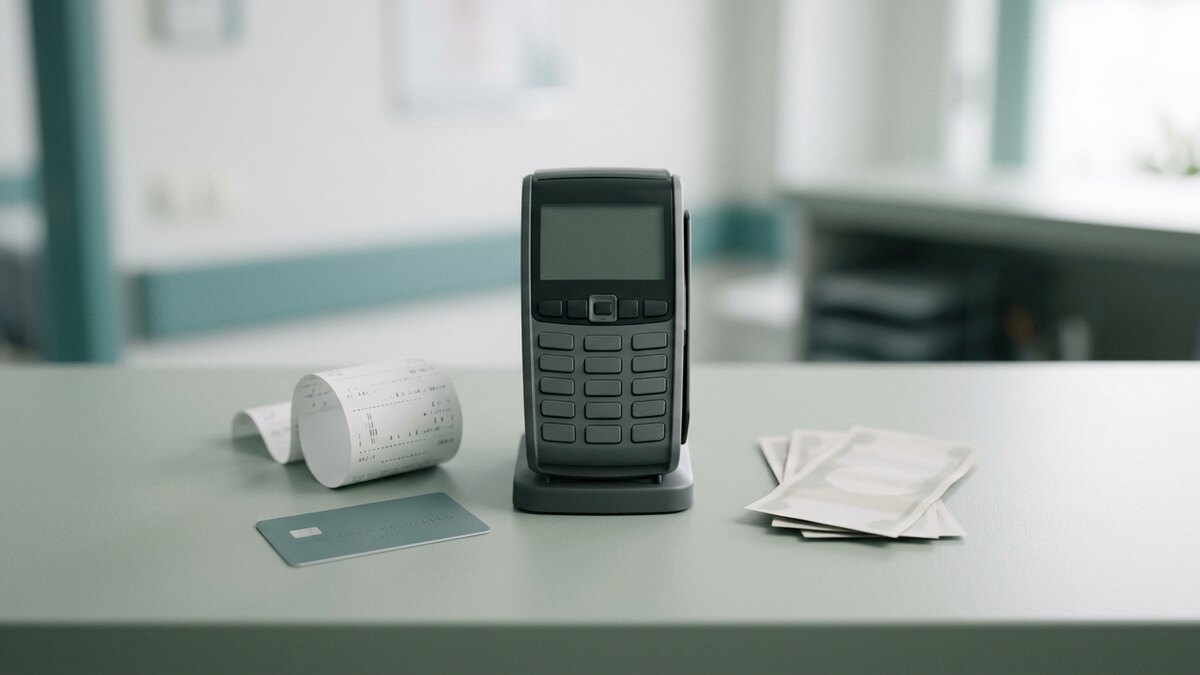
When the amount at the counter differs from the quote, it is usually not because more was done — it is the payment structure. A few things keep the budget steady.
Pay in won
Paying with a foreign card, the terminal may ask whether you would like to be charged in your home currency. It looks convenient, but the rate applied at that moment carries a margin, and it usually costs you more. Choose KRW and let your card issuer do the conversion.
What to ask whether the total includes
- The consultation fee — waived at some clinics if you proceed, separate at others.
- Anaesthesia or sedation — sleep sedation is usually extra.
- Aftercare and follow-up visits — how many are included, and what they cost after that.
- Prescriptions — paid separately at a pharmacy, not at the clinic.
- Revision or correction — included or charged. Get this one in writing.
"What does this amount not include?" pulls a more accurate answer than "what is the total?".
If cash or a bank transfer is suggested
You may be offered a lower price for cash. Two things to weigh first: whether you still get a proper receipt, and whether there is a payment record if something goes wrong. A card payment gives you a dispute route; cash does not. And if you are claiming the VAT refund, the paperwork matters more.
Deposits and cancellation
If you leave a deposit, get the refund terms for cancelling or rescheduling in a message or email. Plans change on a trip, and a verbal assurance is unverifiable once you have flown home.
What the receipt should carry
- The clinic's name and business details
- Treatments and amounts, itemised
- Date and method of payment
- If claiming the VAT refund, your passport details and the refund documents
These papers also serve a claim at home, or an explanation to another clinician later. Photograph them and keep the originals too.
References
General information only; it does not replace a diagnosis. Decide with a doctor whether a procedure suits you.