How much is one cc of filler? Volumes by area, and what happens to the leftover
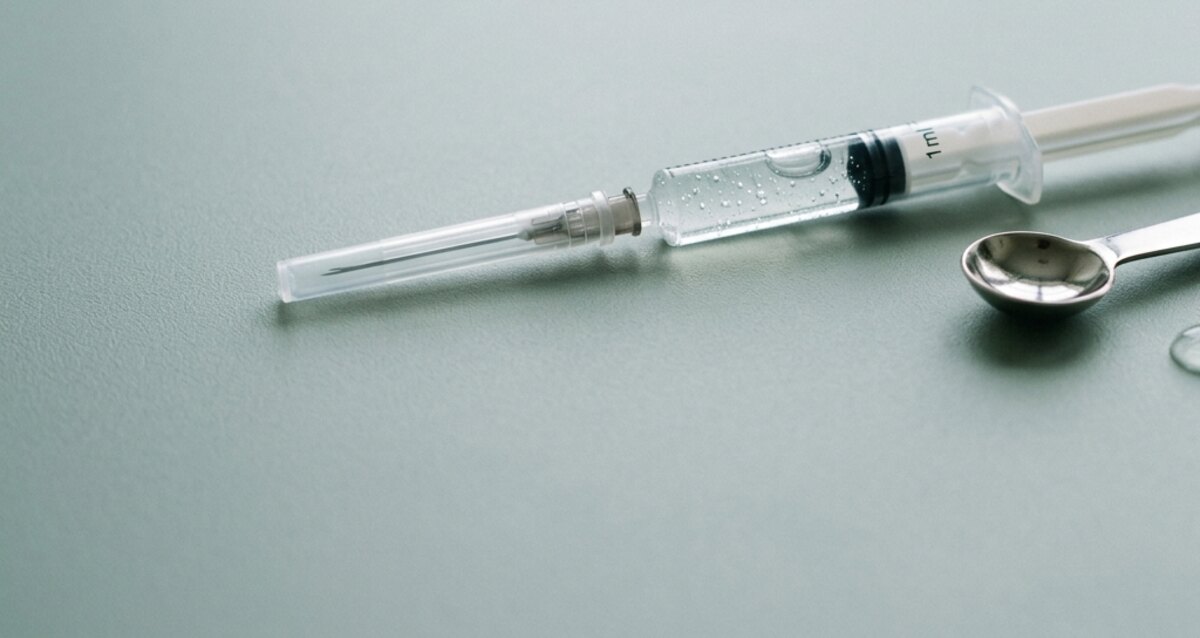
The unit you hear most in a filler consultation is "cc". Few people have a feel for how much that actually is. One cc is one millilitre — about a fifth of a teaspoon. Without that sense of scale, a "1 cc special price" tells you nothing useful.
Over a broad area, one syringe does not go far
The same 1 cc placed deep in a narrow fold produces a visible change; spread across a wide surface it barely registers. A single nasolabial fold may take one syringe, while broad areas such as the forehead or cheeks take several. Estimating your total from a per-cc price will leave you surprised at the consultation. The number you need is not the unit price but how many cc your area actually takes.
What happens to what is left in the syringe
Filler is usually packaged one cc to a syringe. Use 0.6 cc and 0.4 cc remains. How that remainder is handled is something to confirm out loud.
- Was it opened in front of you? Watch the new product being opened. An already-opened syringe should not be used on you.
- What happens to the rest? Storing an opened product to use on another person is not acceptable practice — it is an infection risk.
- Will it all be used? Injecting more than you need just to empty the syringe is not a good reason either. The volume you need comes first.
Fillers you can reverse, and fillers you cannot
Hyaluronic-acid fillers can be dissolved with an enzyme called hyaluronidase. That means the result can be undone if you dislike the shape or something goes wrong. Fillers made of other materials cannot be removed this way.
So the question at the consultation is not "is this a good filler" but "is this a reversible one". For a first treatment in a given area, the reversible option is often the safer choice.
The risk that matters most — vascular occlusion
If filler enters a blood vessel, the area that vessel supplies stops receiving blood. It is rare, and it is the most serious complication of filler treatment. How fast it is addressed changes the outcome. Tell the treating doctor immediately if, during or straight after the injection, you notice any of the following.
- Pain far out of proportion to the amount injected
- Skin turning white, or going blotchy in a net-like pattern
- Blurred vision, or severe pain around the eye
This is why having a way to reach the clinic afterwards matters. If you are being treated while travelling, confirm at the consultation how to contact them outside opening hours.
Write these down at the consultation
- Product name and manufacturer
- Total cc your area requires
- Whether it is a reversible type
- How to reach them if something goes wrong
References
General information only; it does not replace a diagnosis. Decide with a doctor whether a procedure suits you.